
What's Happening?
A report by the National Association of Insurance Commissioners (NAIC) indicates a significant rise in homeowners insurance costs, with premiums increasing faster than inflation across all major U.S. regions
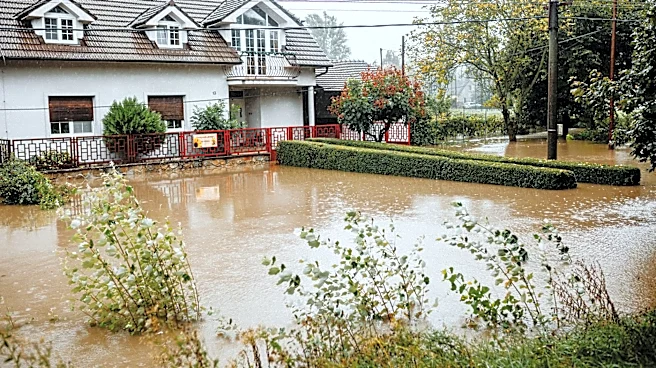
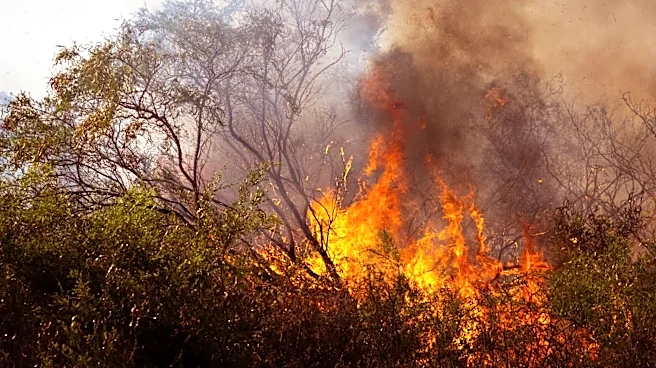
from 2018 to 2024. The report highlights a 43% increase in the West and a 27% increase in the Southeast. Additionally, insurers are dropping customers at higher rates, with nonrenewal rates increasing by up to 216% in the West. The report attributes these trends to climate change, rising rebuilding costs, and increased financial risk for insurers.
Why It's Important?
The rising costs of homeowners insurance and increased nonrenewals reflect the growing financial strain on consumers and the insurance industry. As climate change intensifies, the frequency and severity of natural disasters are expected to increase, leading to higher insurance claims and costs. This dynamic could exacerbate the affordability crisis for homeowners, particularly affecting low-income households. The trend also poses challenges for the insurance industry, which must balance risk management with maintaining profitability.
What's Next?
The insurance industry may need to explore new strategies to manage the increasing risks associated with climate change, such as developing innovative insurance products or adopting more comprehensive risk assessment models. Policymakers may also need to consider regulatory changes to address the affordability and availability of homeowners insurance. As the industry adapts to these challenges, collaboration between insurers, regulators, and consumers will be crucial to ensure sustainable solutions.