





What's Happening?
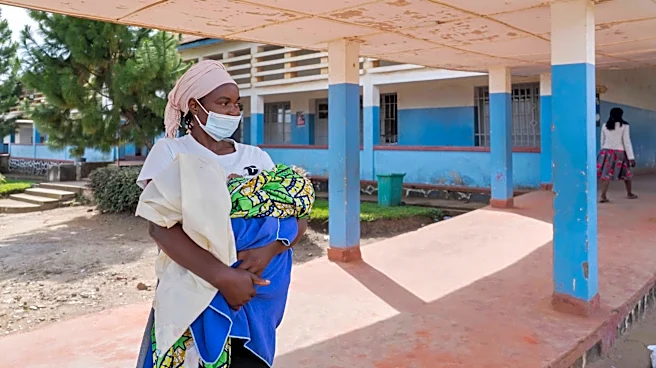
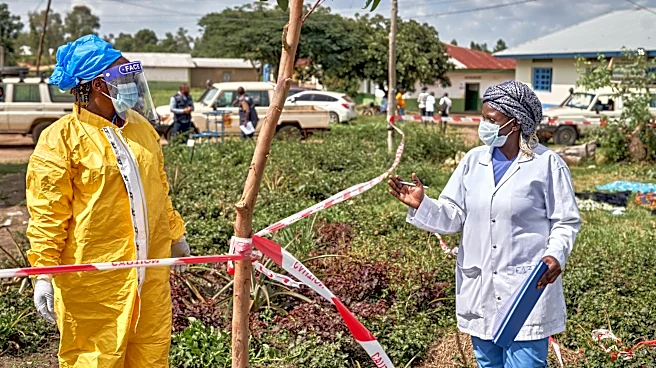
Dr. Peter Stafford, an American doctor associated with the Jenkintown-based mission organization Serge, has contracted the Ebola virus while treating patients in the Democratic Republic of the Congo. The outbreak, caused by the Bundibugyo virus, has resulted
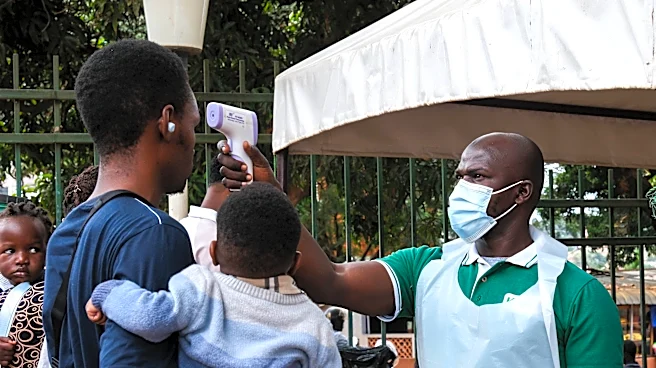
in nearly 120 deaths. Dr. Stafford is being transferred to Germany for treatment, and the CDC assures that the risk to the U.S. public is low. The Bundibugyo virus, a less common Ebola species, complicates response efforts due to the lack of specific treatments or vaccines. Health workers are focusing on basic public health measures such as contact tracing, isolation, and education to contain the outbreak.
Why It's Important?
The situation highlights the ongoing challenges in managing Ebola outbreaks, particularly with less common virus strains like Bundibugyo. The lack of vaccines or specific treatments necessitates reliance on traditional public health measures, underscoring the importance of global health preparedness and response strategies. The outbreak's impact on healthcare workers, who are at high risk, emphasizes the need for adequate protective equipment and training. The incident also reflects the interconnectedness of global health, as diseases in one region can have implications for international health security.
What's Next?
Efforts to contain the outbreak will continue with a focus on public health education, contact tracing, and ensuring safe burial practices to prevent further spread. The situation may prompt increased research into vaccines and treatments for less common Ebola strains. The international community, including organizations like the CDC, will likely monitor the situation closely to prevent cross-border transmission and support affected regions. The response to this outbreak could inform future strategies for managing similar public health crises.