






What's Happening?
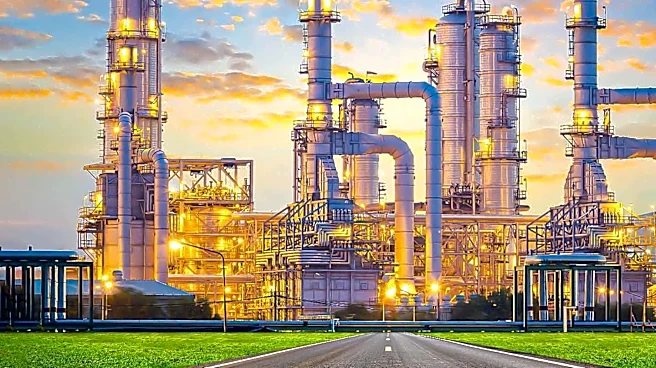
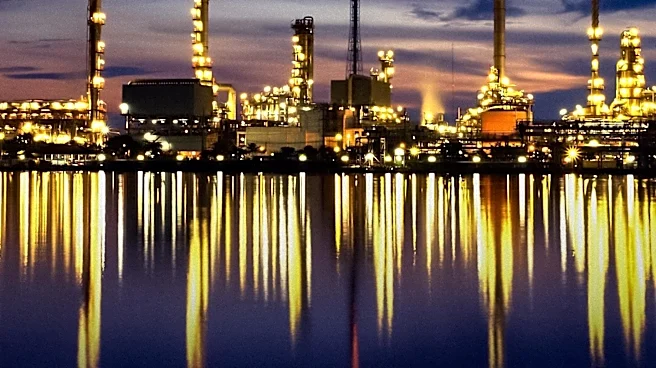
Russia is facing a significant challenge with 135 million barrels of oil stranded at sea due to Ukrainian strikes on refineries and international sanctions. The strikes have reduced Russia's refining capacity, forcing Moscow to increase crude exports.
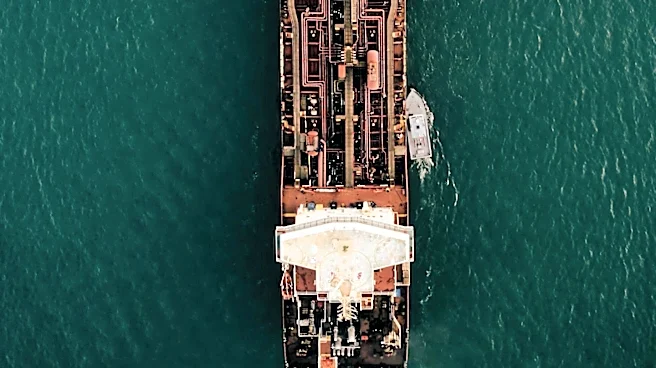
However, these exports are not being matched by deliveries, leading to a buildup of oil on tankers. The situation is exacerbated by sanctions that limit buyers for Russian oil, causing financial returns to decline. Russia's oil exports to Asia, particularly to India and China, are also affected, with a significant portion of shipments remaining undeclared.
Why It's Important?
The backlog of Russian oil exports highlights the impact of geopolitical tensions and sanctions on global energy markets. The inability to process and sell crude oil effectively could have significant economic repercussions for Russia, which relies heavily on energy exports for revenue. The situation also underscores the effectiveness of sanctions in limiting Russia's economic capabilities and could lead to further diplomatic and economic actions by Western nations. The disruption in Russian oil supply could also affect global oil prices and supply chains, impacting countries that rely on Russian energy.
What's Next?
Russia may need to explore alternative markets or strategies to mitigate the impact of sanctions and maintain its oil export levels. The ongoing Ukrainian strikes could further disrupt Russian oil infrastructure, potentially leading to more significant economic consequences. International stakeholders, including the U.S. and European allies, may continue to tighten sanctions and monitor the situation closely, potentially leading to further diplomatic and economic actions against Russia.