








What's Happening?
For individuals diagnosed with obstructive sleep apnea (OSA) who may find Continuous Positive Airway Pressure (CPAP) therapy unsuitable or ineffective, several alternative treatment options are available. These alternatives aim to keep the airway open
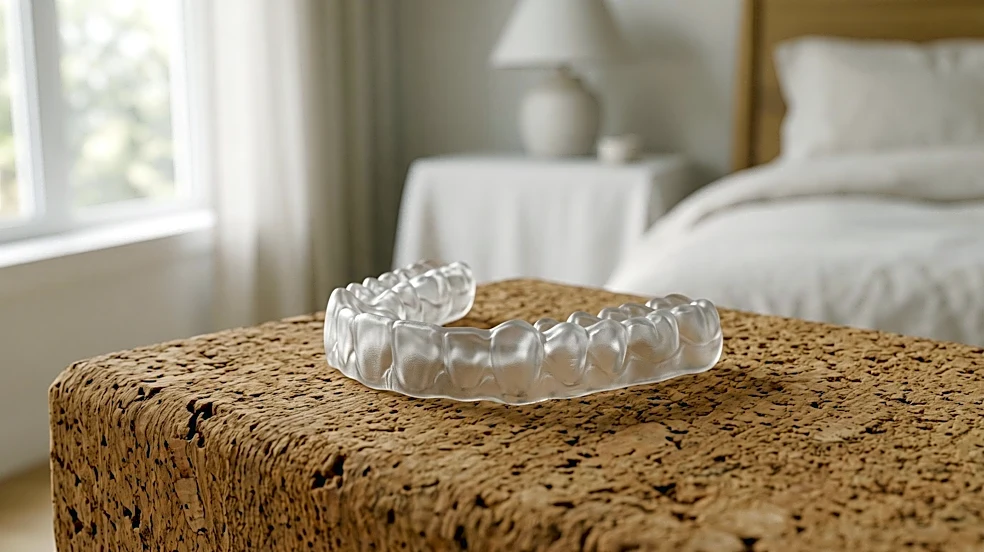
during sleep, addressing the core issue of OSA where throat muscles relax and narrow or close the airway. Other Positive Airway Pressure (PAP) devices, such as APAP (Automatic Positive Airway Pressure) or bilevel PAP, can be recommended if CPAP is not well-tolerated. Oral appliances, also known as sleep apnea mouthpieces or dental devices, are custom-fitted to reposition the jaw or tongue, preventing airway obstruction. Lifestyle modifications, including weight loss, regular exercise, limiting alcohol intake, avoiding smoking, and sleeping on one's side, can also help reduce symptoms in some cases. Surgical interventions may be considered for individuals with enlarged tissues, specific jaw structures, or other physical factors contributing to narrowed airways. These diverse approaches provide patients with choices beyond traditional CPAP, allowing for personalized treatment plans based on their specific needs and the underlying causes of their sleep apnea.
Why It's Important?
The availability of multiple treatment alternatives for obstructive sleep apnea is crucial for public health, particularly given that over half of older adults in the U.S. are at risk for sleep apnea, yet only a small percentage are tested. Untreated sleep apnea can lead to significant health complications, including increased risks of high blood pressure, heart attack, stroke, irregular heart rhythms like atrial fibrillation, heart failure, and pulmonary hypertension. By offering a range of options beyond CPAP, healthcare providers can cater to individuals who cannot tolerate CPAP therapy, thereby increasing treatment adherence and improving health outcomes. This expanded access to effective treatments can mitigate the long-term strain on the healthcare system by reducing the incidence of severe cardiovascular and other chronic diseases associated with untreated sleep apnea. Furthermore, addressing sleep apnea can improve daily energy levels, focus, and mood, enhancing the overall quality of life for affected individuals and potentially boosting productivity within the workforce.
What's Next?
Patients experiencing symptoms of sleep apnea, such as loud snoring, gasping during sleep, or excessive daytime sleepiness, are encouraged to consult with a healthcare professional for diagnosis. A sleep study, either in a sleep center or at home, will determine the type and severity of sleep apnea. Based on this diagnosis, healthcare providers will work with patients to develop a personalized treatment plan, which may involve one or a combination of the alternative therapies discussed. Ongoing monitoring and adjustments to treatment may be necessary to ensure optimal effectiveness and patient comfort. Further research and development in sleep medicine are expected to continue expanding the array of treatment options, potentially leading to even more tailored and less intrusive solutions for obstructive sleep apnea in the future. The focus will remain on improving patient compliance and long-term health outcomes.
Beyond the Headlines
The discussion around alternatives to CPAP therapy for obstructive sleep apnea highlights a broader shift in healthcare towards personalized medicine and patient-centered care. Recognizing that a single treatment approach may not be suitable for everyone, the medical community is increasingly exploring and validating diverse interventions. This not only addresses the physiological aspects of sleep apnea but also considers individual patient preferences, lifestyles, and comorbidities. The emphasis on lifestyle changes underscores the importance of holistic health and preventive care, empowering individuals to take an active role in managing their conditions. Moreover, the development of oral appliances and surgical techniques reflects ongoing innovation in medical devices and procedures, aiming to provide less cumbersome and potentially more permanent solutions. This evolution in treatment strategies for sleep apnea could serve as a model for managing other chronic conditions, promoting a more adaptable and responsive healthcare system.