
What's Happening?
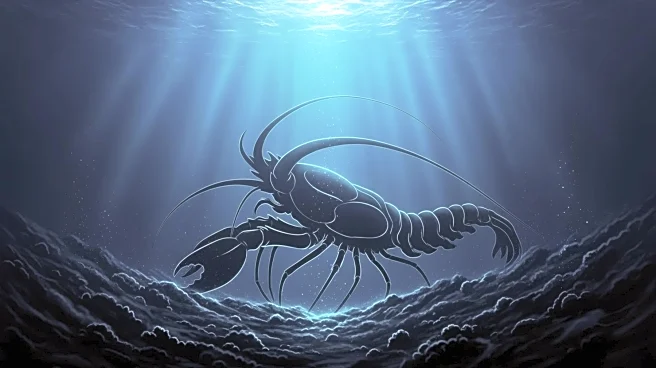
A recent study led by Dr. Paige J. Maroni from the University of Western Australia has uncovered that the supergiant amphipod, Alicella gigantea, is more widespread than previously thought. This crustacean,
resembling a giant white shrimp, was once considered rare due to infrequent sightings. However, new findings indicate that A. gigantea is prevalent across the Pacific, Atlantic, and Indian Oceans. The study compiled 195 records from various expeditions, revealing minimal genetic differences across populations, suggesting that these amphipods move freely in the deep sea. The research challenges previous assumptions about the rarity of this species and highlights its adaptability to extreme environments, such as the hadal zones, which are characterized by high pressure and low temperatures.
Why It's Important?
The discovery of Alicella gigantea's widespread presence has significant implications for understanding deep-sea ecosystems. These amphipods play a crucial role in marine biodiversity and the global ecosystem, contributing to carbon storage and nutrient cycles. The study emphasizes the importance of deep-sea conservation, as human activities like sub-seafloor mining could impact these habitats. Understanding the distribution and genetic adaptations of A. gigantea can inform conservation strategies and provide insights into how deep-sea ecosystems respond to environmental changes. This research also underscores the potential for discovering other 'rare' species that may be more common than previously believed, highlighting the need for continued exploration and study of the deep ocean.
What's Next?
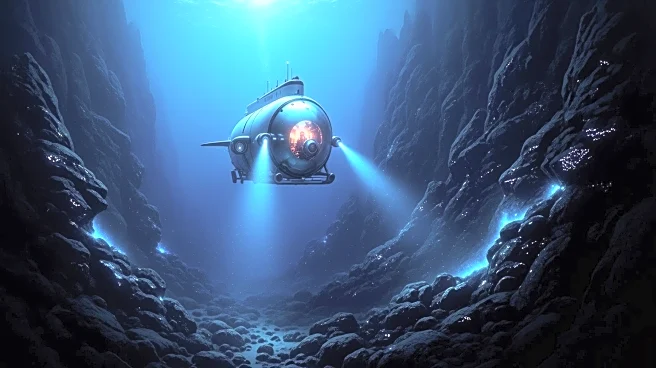
Future research will likely focus on further exploring the genetic adaptations of Alicella gigantea and other deep-sea species. Advances in technology, such as next-generation sequencing and improved submersibles, will facilitate deeper exploration and data collection. These efforts will enhance our understanding of hadal biodiversity and the evolutionary history of life in extreme environments. Additionally, the findings may prompt discussions on the impact of human activities on deep-sea ecosystems and the need for sustainable practices. As interest in deep-sea resources grows, it is crucial to balance exploration with conservation to protect these vital habitats.
Beyond the Headlines
The study of Alicella gigantea offers broader implications for biotechnology and climate resilience research. The genetic adaptations that allow these amphipods to thrive in harsh conditions could inform the development of new technologies and strategies for coping with climate change. Furthermore, the research highlights the interconnectedness of global ecosystems and the importance of preserving biodiversity at all levels. By understanding the resilience of deep-sea species, scientists can gain insights into the mechanisms that have allowed life to persist through Earth's climatic shifts, potentially informing future conservation efforts.