


What's Happening?
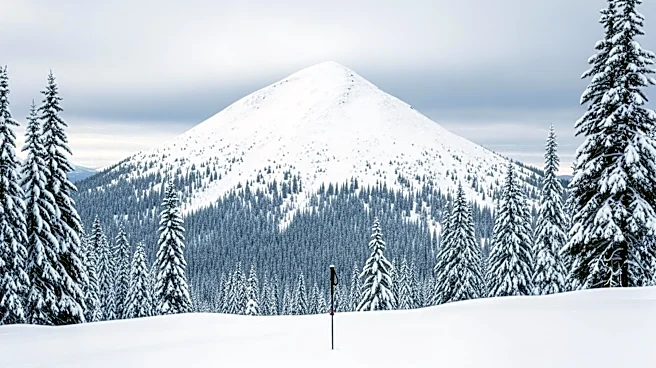
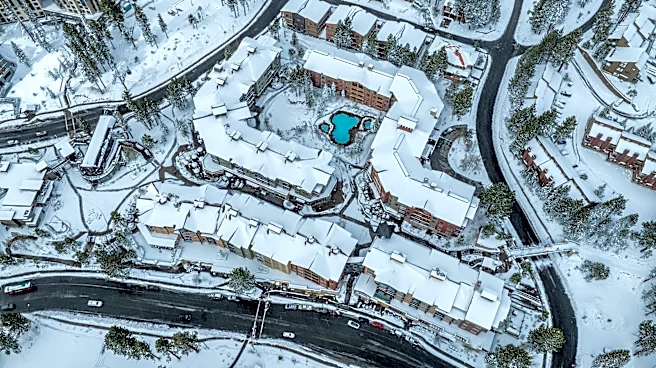
A recent spring snowstorm has deposited up to 3.5 feet of snow in California's Sierra Nevada, allowing Mammoth Mountain ski resort to extend its season until at least Memorial Day. This development comes after a record-warm March that significantly reduced
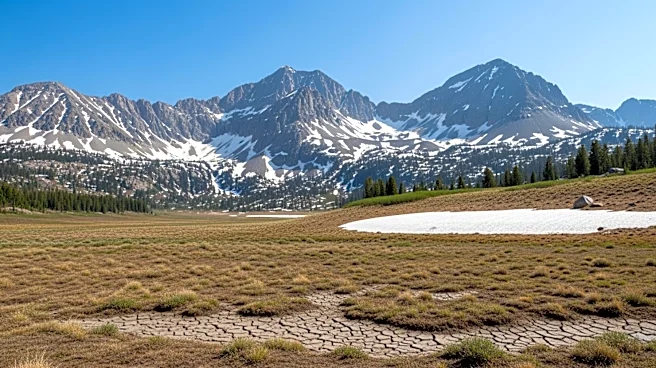
the snowpack, which is crucial for the state's water supply. Despite the fresh snowfall, the snowpack remains at only 23% of its normal level, raising concerns about water availability as the region enters its dry season. The Los Angeles Department of Water and Power reports that the snowpack in the Eastern Sierra is at 24% of normal, which is expected to meet close to 40% of the city's annual water demand. The early snowmelt has heightened fears of potential wildfires due to parched landscapes.
Why It's Important?
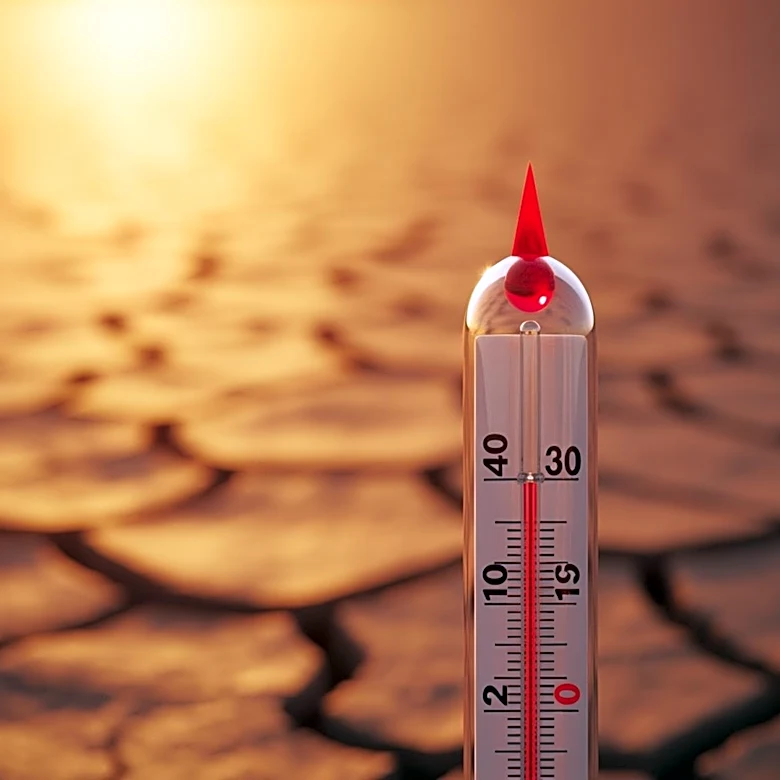
The snowstorm's impact on the Sierra Nevada is significant for California's water management and wildfire prevention strategies. The snowpack acts as a natural reservoir, releasing water during warmer months, and its depletion could exacerbate water shortages in the state. This situation underscores the challenges posed by climate change, as warmer temperatures lead to earlier snowmelt and reduced water availability. The extended ski season at Mammoth Mountain provides a temporary economic boost to the region, but the broader implications for water resources and wildfire risks remain a concern. The state's ability to manage these challenges will be crucial in maintaining water supply and preventing wildfires.
What's Next?
As the region moves into its dry season, water managers will need to strategize on how to best utilize the limited snowpack to meet water demands. The potential for wildfires will require increased vigilance and preparedness from both state agencies and local communities. Additionally, the ongoing effects of climate change may necessitate long-term adjustments in water management and conservation practices. Stakeholders, including government agencies and environmental groups, will likely advocate for policies that address these challenges and promote sustainable resource management.