




What's Happening?
Maj. Gen. Douglas Lowrey, commanding general of Army Contracting Command, along with his key staff, visited the Major Assembly Division of the U.S. Army Materiel Support Command-Korea (MSC-K) on September 15. The purpose of the visit was to gain an overview
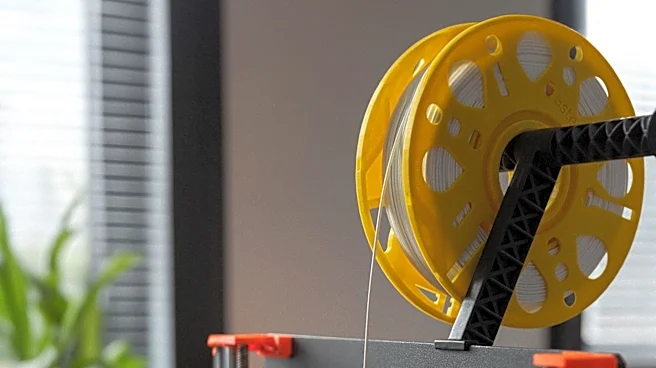
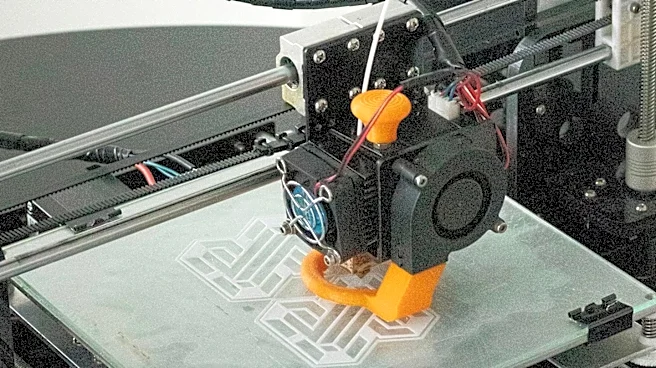
of MSC-K’s additive manufacturing capabilities. The tour specifically highlighted how the unit's 3D printing technologies are being utilized to support maintenance operations and enhance overall operational readiness. This engagement underscores the Army's interest in leveraging advanced manufacturing techniques to improve efficiency and effectiveness in its logistical and support functions.
Why It's Important?
This visit is important because it signifies the U.S. Army's continued investment and strategic focus on additive manufacturing, or 3D printing, as a critical component of its future readiness and sustainment efforts. By integrating 3D printing into maintenance operations, the Army can potentially reduce reliance on traditional supply chains, accelerate the production of replacement parts, and customize solutions for specific equipment needs. This capability is particularly vital for forward-deployed units like MSC-K, where rapid access to parts can significantly impact operational uptime and mission success. The adoption of such technologies can lead to cost savings, improved logistical flexibility, and enhanced combat readiness, ultimately benefiting U.S. military operations globally. It also indicates a broader trend within the defense sector to embrace technological innovation for strategic advantage.
What's Next?
The Army Contracting Command's review of MSC-K's additive manufacturing capabilities suggests a potential for further integration and expansion of 3D printing technologies across various Army units. Following this insight, there may be increased funding, policy development, and training initiatives to scale these capabilities. The focus on operational readiness implies that the Army will likely continue to explore how 3D printing can be used to produce critical components, repair equipment in the field, and even develop new prototypes more rapidly. This could lead to more widespread adoption of additive manufacturing centers, specialized training for personnel, and partnerships with industry leaders in 3D printing technology. The long-term goal is to create a more resilient and responsive supply chain for military operations.
Beyond the Headlines
Beyond the immediate operational benefits, the Army's embrace of additive manufacturing has deeper implications for national defense and industrial policy. It represents a move towards decentralized manufacturing, which could enhance national security by reducing vulnerabilities in global supply chains, especially during times of conflict or crisis. This shift could also stimulate innovation within the U.S. manufacturing sector, fostering the development of new materials and processes. Ethically, the ability to rapidly produce parts could raise questions about intellectual property rights for defense contractors and the control over digital blueprints for military equipment. Culturally, it signifies a modernization of military logistics, moving away from traditional, often slow, procurement processes towards a more agile and technologically advanced approach to maintaining military assets.