


What's Happening?
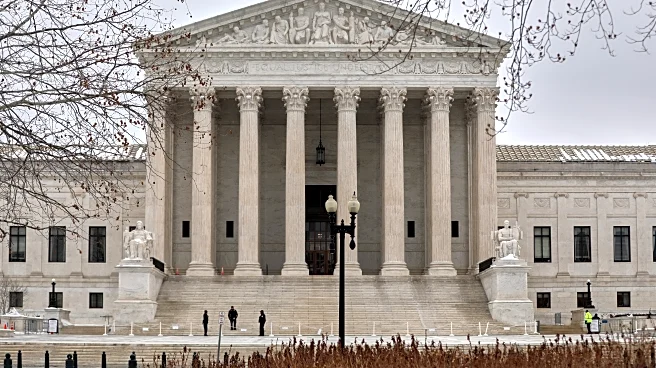
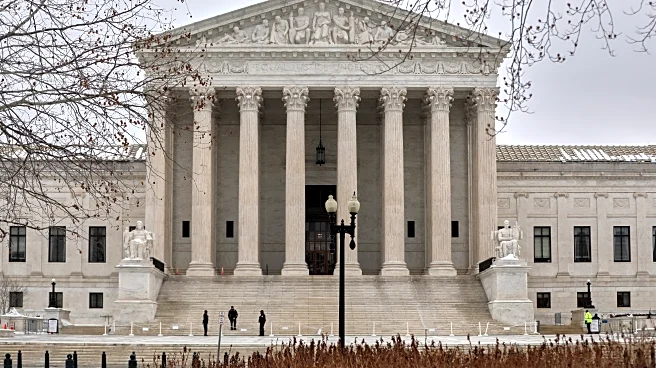
The Supreme Court has struck down President Donald Trump's sweeping global tariffs, marking a significant judicial intervention in one of the major economic policies of his administration. These tariffs, which were part of a broader trade agenda, had
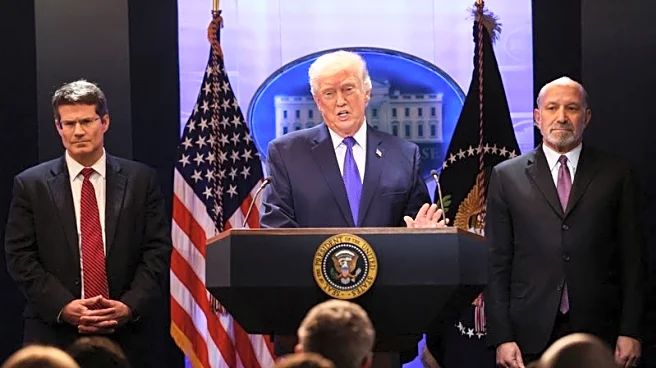
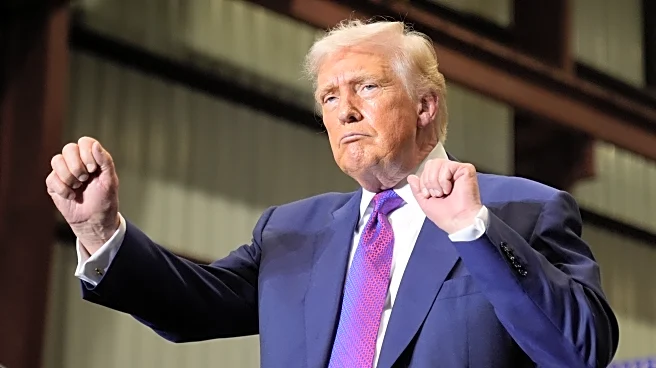
been implemented to protect American industries but faced criticism for escalating trade tensions and increasing costs for consumers and businesses. The decision represents a pivotal moment as it is the first major piece of Trump's agenda to be reviewed by the Supreme Court, which he influenced significantly through the appointment of three conservative justices during his term.
Why It's Important?
The ruling has substantial implications for U.S. trade policy and international economic relations. By overturning these tariffs, the Supreme Court has potentially eased trade tensions with global partners, which could lead to more stable international trade dynamics. For U.S. businesses and consumers, the decision may result in lower costs for imported goods, thereby reducing inflationary pressures. However, industries that benefited from the tariffs might face increased competition from foreign imports, impacting domestic production and employment. The decision also underscores the judiciary's role in checking executive power, particularly in economic policymaking.