
What's Happening?
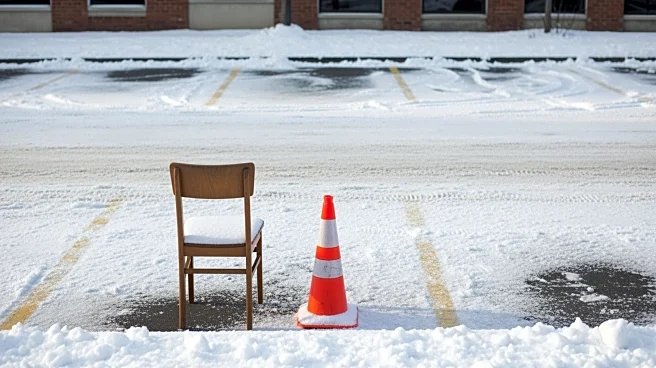
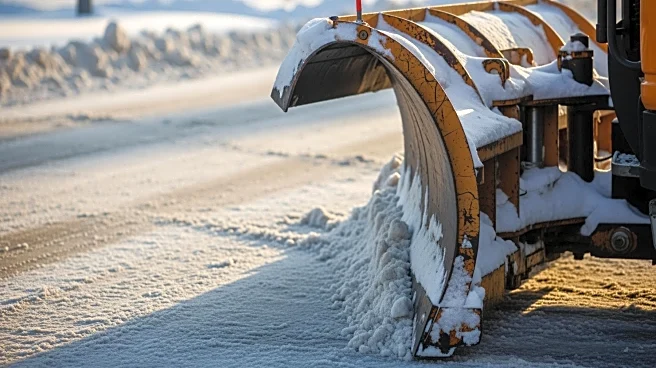
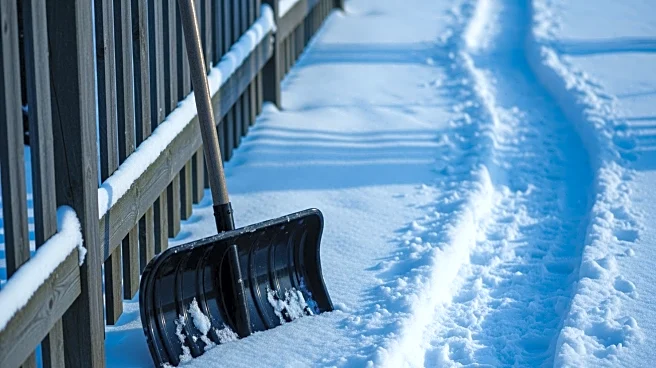
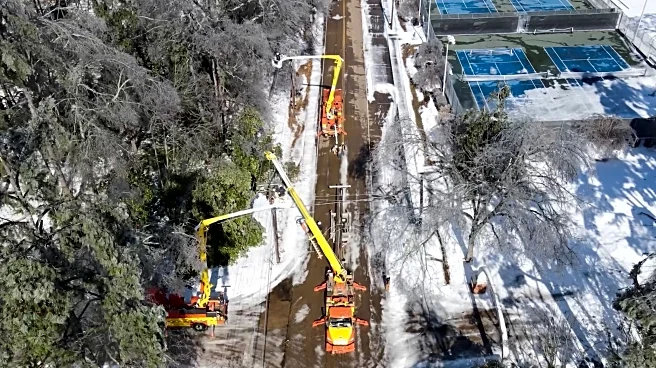
Following a severe winter storm that left Washington, D.C. encased in ice-crusted snow, residents have taken matters into their own hands to clear their streets. Cindy Sherman, a resident of Chevy Chase, organized her neighbors to hire a private snowplow
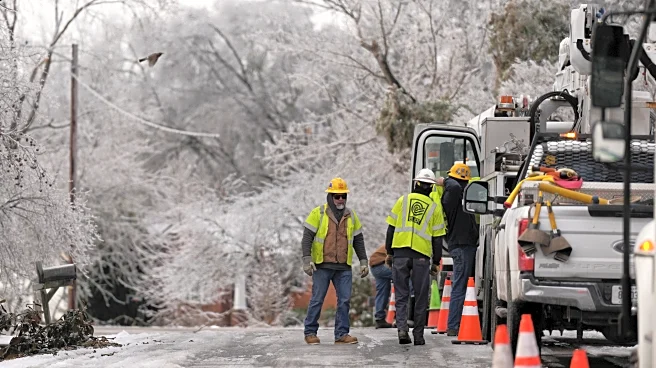
after city services were slow to respond. The storm, which began with 4 to 7 inches of snow followed by up to 4 inches of sleet, has been described as the most severe in decades. Many residents, frustrated by the slow response from local governments, have resorted to clearing snow themselves or hiring private services. The city has launched a 'Snow Team Heroes' program, but many residents report inadequate assistance, prompting them to take action independently.
Why It's Important?
The situation highlights the challenges faced by urban areas in managing extreme weather events and the reliance on community initiatives when public services fall short. The storm's impact on transportation and daily life underscores the need for effective emergency response strategies. Residents' actions reflect a broader trend of community resilience and self-reliance in the face of inadequate municipal services. The economic implications are also significant, as private contractors have seen increased demand for snow removal services, providing a temporary boost to local businesses. However, the situation raises questions about the adequacy of public infrastructure and emergency preparedness in handling such events.
What's Next?
As the city continues to address the aftermath of the storm, there may be increased scrutiny on the effectiveness of municipal snow removal strategies and emergency response plans. Residents and local officials may push for improvements in infrastructure and resource allocation to better handle future weather events. The experience could lead to policy discussions on enhancing community engagement and support systems during emergencies. Additionally, the city may evaluate the 'Snow Team Heroes' program to improve its reach and effectiveness in assisting vulnerable populations.
Beyond the Headlines
The storm has exposed underlying issues in urban planning and resource management, particularly in how cities prioritize and allocate resources during emergencies. The reliance on community-driven solutions highlights the potential for grassroots initiatives to complement public services. However, it also raises concerns about equity and access, as not all residents may have the means to hire private services. The event may prompt discussions on the role of government versus community in disaster response and the importance of building resilient urban environments.