






What's Happening?
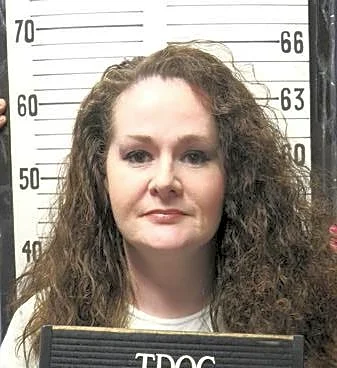
Gabrielle Hanson, the mother of 8-year-old Aurora Williams, is disputing the medical examiner's ruling that her daughter's death from an asthma attack was a homicide due to medical neglect. Hanson maintains that Aurora's death was a tragic medical emergency
and that no one is to blame. The incident occurred on May 13, when Aurora suffered a severe asthma attack and stopped breathing. Despite efforts by Hanson and her husband to administer CPR, Aurora was unresponsive and later declared dead after being on life support. This case has drawn significant attention, particularly as it marks the seventh child involved with the county's Department of Family and Children's Services (DFCS) to die since 2022. Teachers and medical providers had reportedly made eight separate referrals to the child abuse hotline concerning Aurora's welfare, citing neglect, malnourishment, and unkempt appearance. The superintendent of the Mount Pleasant Elementary School District, Elida MacArthur, is calling for a 'complete overhaul' of the child welfare agency, which did not remove children from the home until after Aurora's death, despite social workers describing the residence as filthy and vermin-infested.
Why It's Important?
This case highlights critical failures within child protective services and raises serious questions about accountability and the effectiveness of child welfare systems in the U.S. The dispute over the cause of death—whether it was a medical emergency or neglect-induced homicide—underscores the complex challenges in identifying and intervening in cases of child neglect, especially when poverty and living conditions are factors. The repeated deaths of children under DFCS's watch, despite multiple referrals and concerns from external parties, indicates systemic issues that could have far-reaching implications for child safety policies and practices nationwide. It also brings to light the difficult balance between supporting families in challenging circumstances and ensuring the immediate safety and well-being of children. The outcome of this case, including potential charges and reforms within DFCS, could set precedents for how similar situations are handled in other jurisdictions, influencing child welfare protocols and the legal framework surrounding parental responsibility and medical neglect.
What's Next?
The District Attorney is currently evaluating whether to file charges in connection with Aurora Williams' death, a decision that will significantly impact Gabrielle Hanson and her family. Following Aurora's death, Hanson's four other children and two step-children were removed from the home and placed in foster care, a situation Hanson is actively fighting. The county's Department of Family and Children's Services (DFCS) is under intense scrutiny, with county supervisors overseeing two years of reforms and the agency's director, Wendy Kinnear-Rausch, acknowledging a 'failing grade' for recent events. Mount Pleasant Superintendent Elida MacArthur is demanding a 'full and independent examination' of the circumstances surrounding Aurora's death and the system's failures. These investigations and calls for reform suggest that significant changes within DFCS are likely, potentially leading to revised policies, increased oversight, and improved training for social workers. The legal proceedings and any subsequent policy changes will be closely watched by child advocacy groups and the public, as they could influence future approaches to child protection and family support services.
Beyond the Headlines
The tragic death of Aurora Williams and the subsequent dispute over its classification delve into profound ethical and societal questions regarding parental responsibility, systemic failures in child protection, and the impact of socioeconomic factors on child welfare. The mother's assertion that the death was a medical emergency, despite the medical examiner's homicide ruling, highlights the subjective and often agonizing interpretations of neglect, particularly when intertwined with poverty and limited resources. This case forces a re-evaluation of how child welfare agencies distinguish between neglect stemming from deliberate harm and neglect arising from a lack of means or understanding. It also exposes the potential for a 'blame game' between parents, social services, and the broader community, diverting attention from the underlying systemic issues that allow such tragedies to occur. The long-term implications could include a re-examination of funding for preventative services, a push for more integrated support systems for vulnerable families, and a critical look at the legal definitions of medical neglect to ensure they are applied equitably and effectively, ultimately shaping public discourse on child protection and social justice.