



What's Happening?
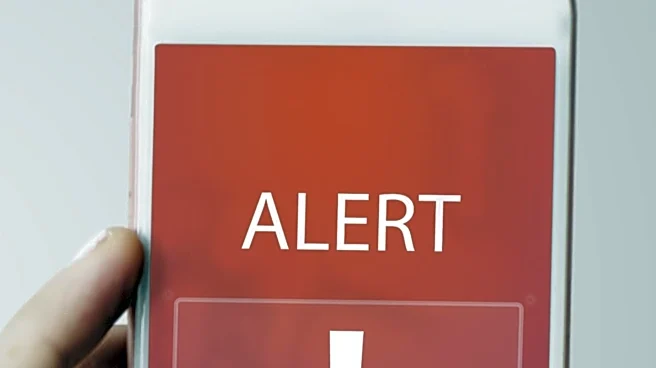
On November 17, at approximately 2:20 p.m. ET, the Federal Emergency Management Agency (FEMA) and the Federal Communications Commission (FCC) are scheduled to conduct a nationwide test of the Emergency Alert System (EAS). This routine test, mandated by
federal law every three years, aims to ensure the system's functionality and allow the government to identify any technical or operational issues. The test will involve a nationwide EAS message, lasting about one minute, with standard alert tones to support accessibility. Unlike some previous tests, wireless emergency alerts will not be triggered on mobile phones. The timing of this test has coincided with a surge of online rumors and conspiracy theories suggesting a potential catastrophic event, such as a cyberattack leading to a widespread power outage or digital disruption. These rumors have prompted some individuals to prepare emergency supplies, including a 90-day stockpile of food, water, cash, and medicine. Experts in disaster preparedness and cyberattacks have cautioned against these unsubstantiated fears, emphasizing that the EAS test is a standard procedure and there is no specific information indicating an imminent crisis.
Why It's Important?
The upcoming nationwide EAS test is important for several reasons. Firstly, it serves as a critical mechanism for the U.S. government to communicate with households during national emergencies, ensuring that the system can effectively broadcast alerts within 10 minutes of an event. This functionality is vital for public safety and national security, covering scenarios from major weather events to potential cyberattacks. Secondly, the test helps to desensitize the public to emergency alerts, making them more likely to respond appropriately during a real crisis. Thirdly, it allows FEMA and the FCC to identify and rectify any technical or operational glitches in the system, enhancing its reliability. The spread of blackout rumors and conspiracy theories surrounding this routine test highlights a growing concern about misinformation and its potential to cause unnecessary panic and resource hoarding. While experts debunk these rumors, the heightened anxiety underscores the public's vulnerability to unverified information, especially in an era of increased global instability and recent technical disruptions like the FAA ground stop and Microsoft outage. This situation also brings to light the ongoing debate about the country's preparedness for a nationwide power outage, with reports indicating no comprehensive plan currently exists.
What's Next?
The nationwide EAS test is scheduled for November 17, with a backup date of December 3 if the primary date is unfeasible due to a real emergency or technical issues. Following the test, programming on TV, radio, and other broadcast channels is expected to resume as normal. Authorities will likely analyze the test results to identify any system weaknesses or areas for improvement. In the immediate aftermath, there may be continued public discussion and debunking of the conspiracy theories that have circulated. The incident could also prompt further public awareness campaigns from government agencies regarding emergency preparedness, emphasizing practical steps without fueling undue alarm. The ongoing global instability and recent technical disruptions suggest that public anxiety around such events may persist, potentially leading to continued scrutiny of infrastructure resilience and emergency communication systems. The focus will remain on ensuring the reliability of critical national systems and managing public perception in an increasingly interconnected and rumor-prone information environment.
Beyond the Headlines
The widespread circulation of blackout rumors preceding a routine EAS test reveals deeper societal implications beyond the immediate event. It highlights a growing distrust in official information and a susceptibility to conspiracy theories, particularly amplified by social media platforms. This phenomenon can lead to unnecessary panic, misallocation of resources, and a potential desensitization to genuine warnings if false alarms become too frequent. The incident also underscores the psychological impact of recent global events, such as the FAA ground stop, Microsoft outage, and international conflicts, which contribute to a general sense of vulnerability and a search for explanations, however unfounded. Ethically, the spread of misinformation raises questions about the responsibility of social media platforms and individuals in verifying information before sharing. Legally, while the rumors themselves may not be illegal, their potential to incite panic or disrupt public order could be a concern. Culturally, this event reflects a broader trend of anxiety about technological fragility and the potential for systemic collapse, prompting discussions about individual and national resilience in the face of unforeseen disruptions. The lack of a comprehensive plan for a nationwide power outage, as reported, further fuels these anxieties, suggesting a need for more transparent and robust preparedness strategies.