




What's Happening?
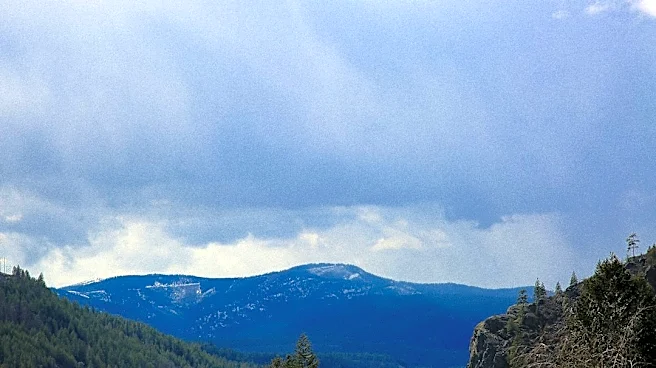
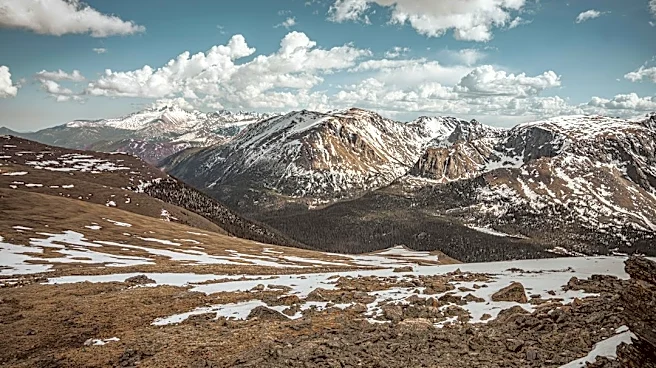
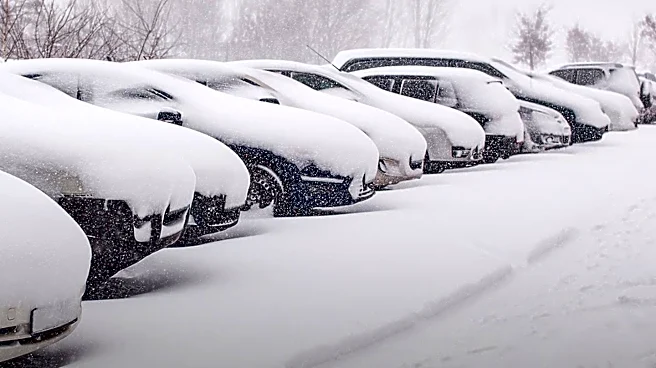
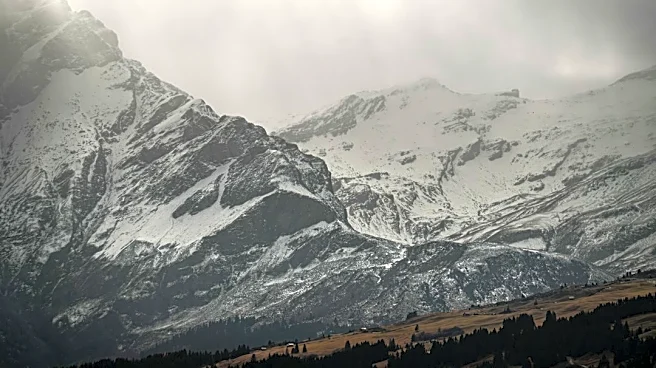
Early winter trends are emerging across the northern United States, with significant snowfall already observed in areas like Montana, the Northern Rockies, and the Adirondacks, Green, and White Mountains. The FOX Forecast Center reports that a massive
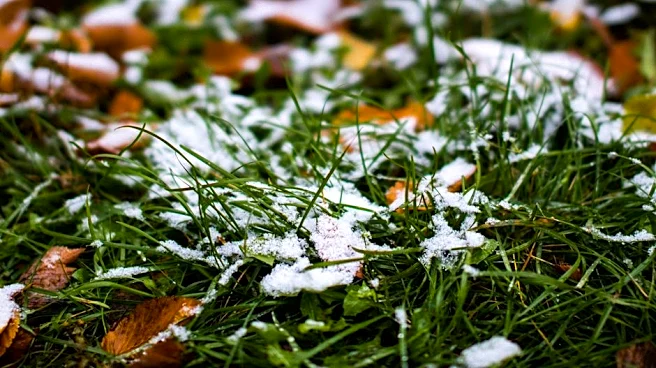
cold front is moving across the U.S. this week, accompanied by a low-pressure area in the Great Lakes and Northeast region. This system is expected to bring cooler air, gusty winds, and heavy rain, transitioning to snow in higher elevations. Meteorologists predict 1 to 3 inches of snow in parts of the Northeast, marking some of the first measurable snowfall of the season. Experts at Kalshi are analyzing these early trends to forecast December snowfall in Big Sky, Montana.
Why It's Important?
These early winter trends have significant implications for various sectors across the U.S. The agricultural industry in northern states will need to prepare for colder temperatures and potential early snow, which can impact crop cycles and livestock management. For the energy sector, increased demand for heating will likely begin earlier than usual, potentially affecting energy prices and resource allocation. Transportation and logistics companies will face challenges with icy roads and reduced visibility, requiring adjustments to routes and schedules. Additionally, the tourism industry, particularly ski resorts in areas like Big Sky, could see an early start to their season, bringing economic benefits but also requiring accelerated preparations for winter sports activities. The early onset of winter conditions also raises concerns about infrastructure resilience and public safety.
What's Next?
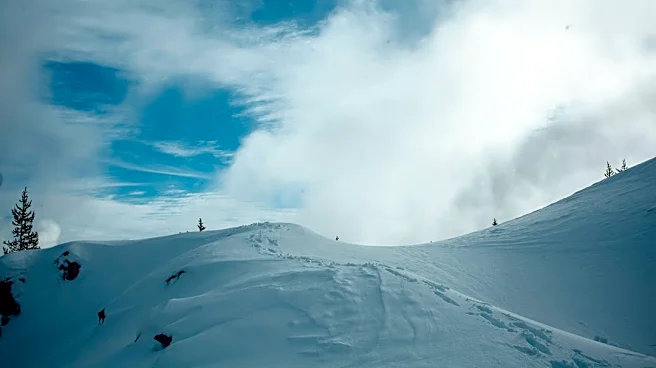
As the cold front intensifies, residents in the affected regions should prepare for continued drops in temperature, gusty winds, and potential snowfall. Weather advisories and warnings are likely to be issued, urging caution for travelers and those working outdoors. Emergency services and local governments will be on alert to manage any weather-related incidents. Experts at Kalshi predict a 70% chance of Big Sky receiving more than 35 inches of snow and a 53% chance of over 40 inches in December, indicating a potentially heavy snow season. These predictions will influence planning for winter recreation and resource management in the region. The ongoing monitoring of weather patterns will be crucial for communities and industries to adapt to the evolving winter conditions.
Beyond the Headlines
The early emergence of winter weather patterns could be indicative of broader climate variability or shifts, prompting discussions about long-term climate trends. While a single season's weather does not confirm climate change, consistent deviations from historical norms can contribute to scientific understanding. This situation also highlights the economic reliance of certain regions on winter tourism and the vulnerability of these economies to unpredictable weather patterns. Furthermore, the preparedness of infrastructure, such as power grids and road networks, for extreme weather events will be tested, potentially revealing areas for improvement in climate resilience strategies. The early snowfall could also impact wildlife, affecting migration patterns and food availability, which has ecological implications.