






What's Happening?
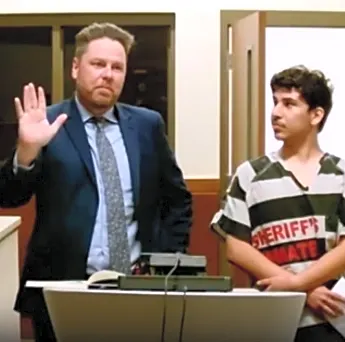
Robert Wayne Boling Jr., a 45-year-old U.S. citizen residing in the Philippines, has pleaded guilty to orchestrating a widespread identity theft and fraud scheme that targeted thousands of U.S. servicemembers and veterans. The Justice Department announced
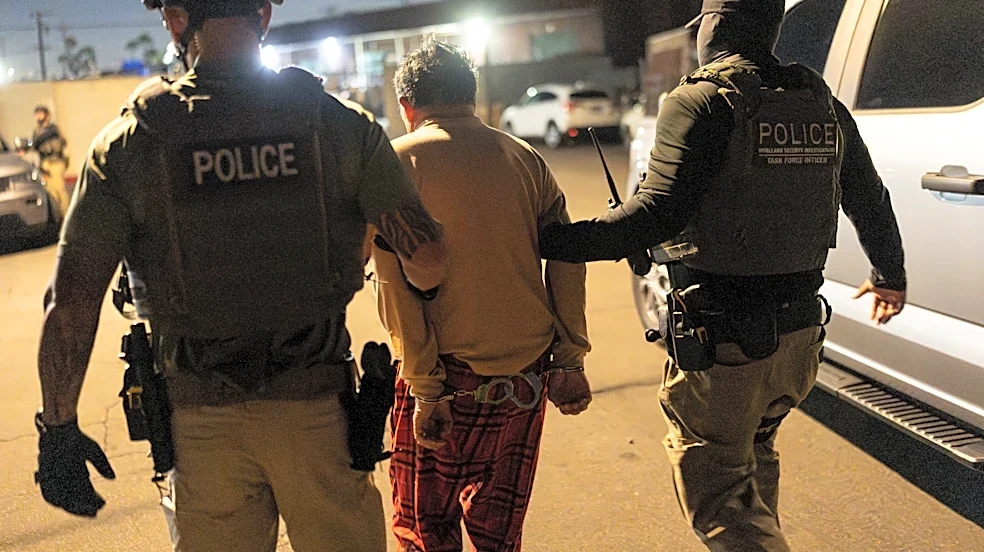
that Boling exploited stolen personally identifiable information (PII) to compromise victims' bank accounts and steal their money and veterans' benefits over a five-year period, concluding in July 2019. Boling pleaded guilty to conspiracy to commit wire fraud and money laundering, and he faces a potential sentence of up to 40 years in prison. Prosecutors identified Boling as the 'principal orchestrator' of the scheme. He received PII from Frederick Brown, a contractor medical records administrator for the U.S. Army in South Korea from 2010 to 2015. Boling then used this sensitive data to access and drain various accounts belonging to military-affiliated individuals. The operation also involved dozens of money mules in the United States who facilitated the deposit of stolen funds and transferred portions to the Philippines. Boling was arrested in May in Los Angeles after being deported from the Philippines.
Why It's Important?
This case underscores the severe threat of identity theft and fraud, particularly when it targets those who have served the nation. The exploitation of servicemembers and veterans, including elderly and disabled individuals, represents a profound betrayal of trust and a significant national security concern. The scheme's reliance on a contractor with access to sensitive military PII highlights vulnerabilities within government systems and the critical need for robust data protection measures. The involvement of an international network, with Boling operating from the Philippines and utilizing money mules in the U.S., demonstrates the complex and far-reaching nature of modern financial crimes. The substantial financial losses incurred by thousands of victims can have devastating long-term impacts on their economic stability and well-being, eroding their trust in financial institutions and government services. This case also emphasizes the persistent efforts of law enforcement to pursue and prosecute individuals who prey on vulnerable populations, regardless of their location.
What's Next?
Robert Wayne Boling Jr. awaits sentencing, where he could face up to 40 years in prison for his role in the extensive fraud scheme. Two of his co-conspirators, Frederick Brown and Trorice Crawford, have already pleaded guilty and received prison sentences. The Justice Department continues to pursue other alleged co-conspirators, Jongmin Seok and Allan Albert Kerr, who remain at large. The ongoing legal actions will likely involve efforts to identify and compensate the thousands of victims affected by the scheme. This case may also prompt further reviews and enhancements of data security protocols within government agencies and contractor operations that handle sensitive personal information of military personnel. Additionally, it could lead to increased international cooperation in combating cross-border financial crimes and identity theft, particularly those targeting specific demographic groups.
Beyond the Headlines
This fraud scheme extends beyond financial crime, touching upon ethical and moral dimensions related to the protection of those who serve the country. The deliberate targeting of servicemembers and veterans, who often face unique challenges and vulnerabilities, raises questions about societal responsibility and the need for specialized support systems. The case also highlights the psychological impact of such crimes, as victims may experience not only financial hardship but also a profound sense of violation and distrust. It underscores the importance of public awareness campaigns to educate military personnel and veterans about common fraud tactics and how to protect their personal information. Furthermore, the international scope of the operation emphasizes the evolving nature of cybercrime and the necessity for global collaboration among law enforcement agencies to effectively dismantle such networks and bring perpetrators to justice.