






What's Happening?
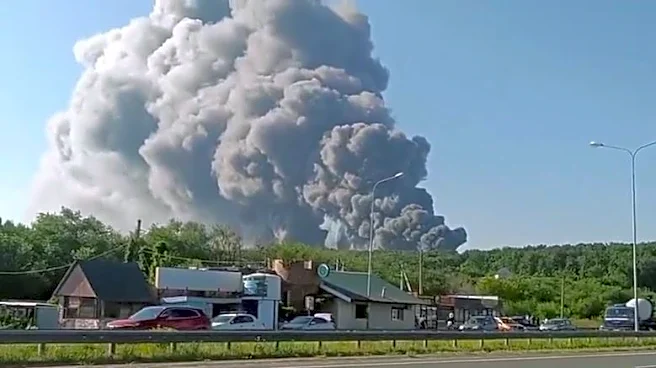
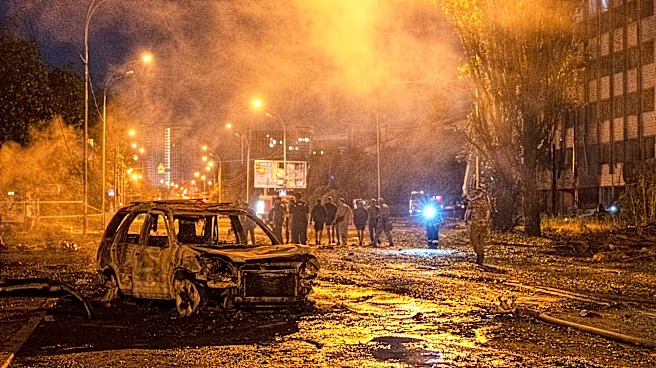
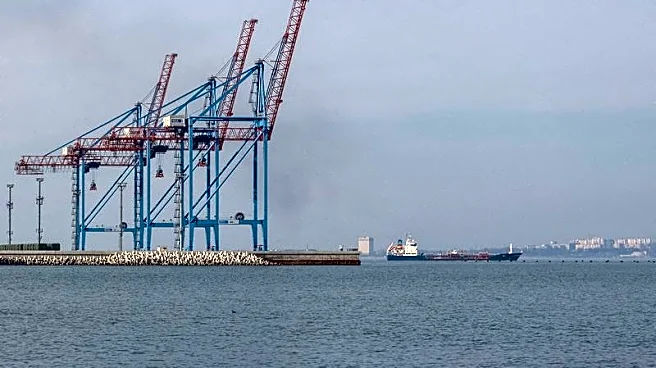
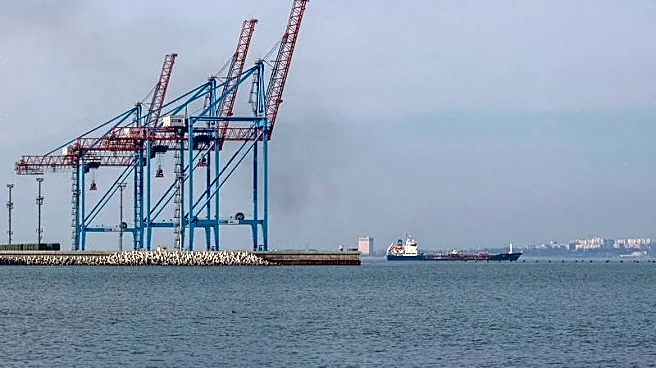
Russia has announced increased protective measures for ships in the Azov-Black Sea basin in response to escalating attacks at sea, particularly involving Ukrainian drone strikes. The Russian Transportation Ministry, in collaboration with the Defense Ministry, has formed
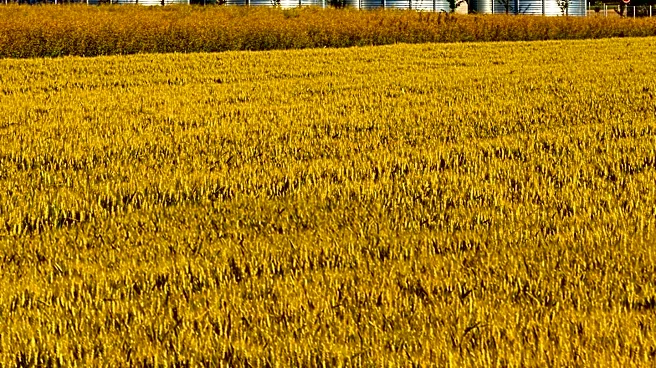
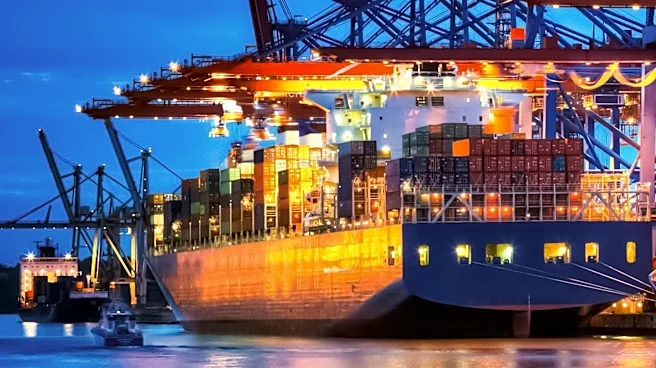
a task force to reroute freight and protect commercial vessels. This move comes as both Russia and Ukraine, major agricultural exporters, have been targeting each other's export facilities, leading to heightened tensions and disruptions in grain exports. The situation has caused wheat prices to rise on global markets, with potential implications for food security in regions dependent on these exports.
Why It's Important?
The conflict in the Black Sea region poses significant risks to global food security, particularly for countries in Africa and the Middle East that rely heavily on grain imports from Russia and Ukraine. The disruption of grain exports could lead to increased food prices and potential shortages, exacerbating existing food insecurity issues. Additionally, the conflict highlights the strategic importance of the Black Sea as a critical route for global agricultural trade. The ongoing tensions may prompt international stakeholders to seek alternative supply routes or increase diplomatic efforts to stabilize the region and ensure the continued flow of essential commodities.
What's Next?
The situation in the Black Sea is likely to remain volatile, with potential for further military engagements affecting commercial shipping routes. International organizations and governments may increase diplomatic efforts to mediate the conflict and secure safe passage for grain exports. Additionally, countries dependent on these imports may explore alternative sources or increase domestic production to mitigate the impact of supply disruptions. The global community will need to monitor developments closely and prepare for potential shifts in trade patterns and food security strategies.