








What's Happening?
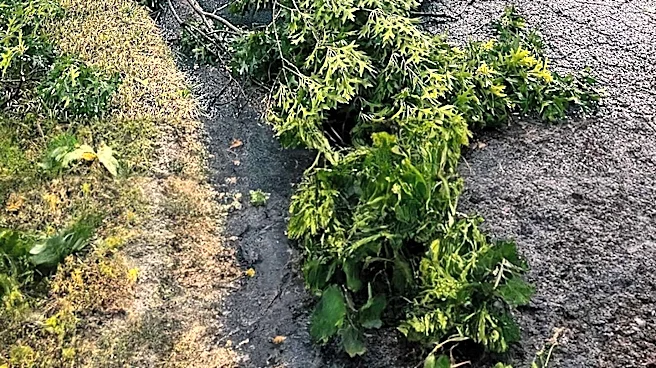
Buchanan County, Virginia, is set to receive over $310,000 in federal disaster money to address damages caused by winter storms last year. This funding will cover essential repairs to embankments, culverts, and the provision of erosion control materials
along damaged infrastructure. The money is being disbursed through a major disaster declaration that was approved last year. Congressman Morgan Griffith has credited bipartisan efforts, working alongside both Virginia Senators, for securing these funds. This allocation adds to previous rounds of funding that have been provided to Buchanan and Dickenson Counties for similar storm-related repairs.
Why It's Important?
This federal aid is critically important for Buchanan County as it directly supports the recovery and rebuilding efforts following significant winter storm damage. Infrastructure repairs, particularly to embankments and culverts, are essential for maintaining public safety, preventing further erosion, and ensuring the functionality of local transportation networks. Without this funding, the financial burden on local governments could be substantial, potentially delaying necessary repairs and exacerbating existing problems. The bipartisan effort highlighted by Congressman Griffith underscores the collaborative nature often required to secure federal disaster relief, demonstrating how political cooperation can directly benefit affected communities. This funding helps to restore normalcy and resilience to the county's infrastructure.
What's Next?
The $310,000 in federal disaster money will be used to initiate and complete the specified repairs in Buchanan County. This will involve planning, contracting, and execution of work on damaged embankments, culverts, and the implementation of erosion control measures. The county will likely prioritize the most critical infrastructure needs to ensure public safety and prevent further damage. Given that this is an addition to previous funding rounds, it suggests an ongoing recovery process, and the county will continue to manage these projects. The successful allocation of these funds also sets a precedent for future federal assistance in the event of natural disasters in the region.
Beyond the Headlines
Beyond the immediate repairs, this federal disaster aid highlights the increasing vulnerability of infrastructure to extreme weather events, a trend exacerbated by climate change. The need for such significant federal intervention underscores the limitations of local and state resources in coping with large-scale natural disasters. This situation prompts broader discussions about infrastructure resilience, preventative measures, and the long-term strategies required to protect communities from future climate impacts. The bipartisan cooperation in securing these funds also serves as a reminder of how shared challenges can sometimes bridge political divides, emphasizing the practical necessity of collaboration when constituents' well-being is at stake. It also brings to light the complex process of disaster declarations and federal aid distribution, which often involves multiple levels of government and significant bureaucratic navigation.