



What's Happening?
Congressmembers Troy A. Carter, Sr. (D-LA), Dr. Rich McCormick (R-GA), Ted Lieu (D-CA), Robert Menendez (D-NJ), and Dr. Neal Dunn (R-FL) have introduced the first-ever National Bladder Health Awareness Month Resolution. Congressmembers Carol Miller (R-WV),
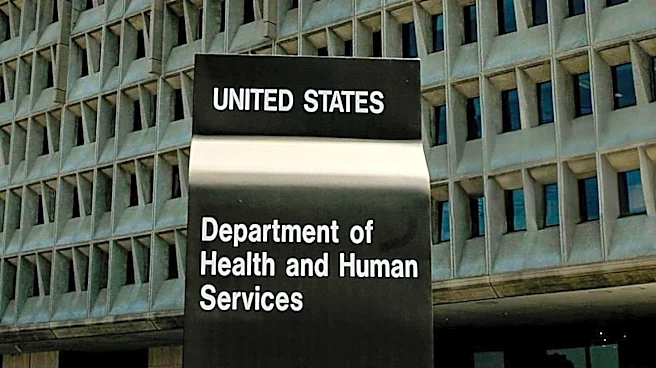
Jonathan Jackson (D-IL), and Kevin Mullin (D-CA) are co-sponsoring the resolution. The initiative aims to recognize November as Bladder Health Awareness Month, promoting public education, reducing stigma, and improving access to care for bladder conditions. According to Congressman Carter, the resolution emphasizes preventative care and informed decisions to protect individuals and their networks. Congressman McCormick, a physician, highlighted that millions suffer in silence due to stigma or lack of awareness, stressing the importance of early intervention. The resolution encourages the Department of Health and Human Services to disseminate information, support partnerships, promote evidence-based education for healthcare professionals, and encourage open conversations about bladder health.
Why It's Important?
This resolution is important because millions of Americans are affected by bladder health conditions, with an estimated 43 million, or 1 in 6, U.S. adults experiencing issues like overactive bladder and urinary incontinence. These conditions can significantly impact quality of life, leading to disrupted sleep, reduced work productivity, social withdrawal, mental health challenges, and increased risks of falls, fractures, and infections. Despite their prevalence, many conditions go untreated due to stigma, lack of awareness, and misdiagnosis. The average time between symptom onset and treatment initiation is approximately seven years, and only one-third of patients seek treatment. By designating November as Bladder Health Awareness Month, the resolution seeks to increase public awareness, encourage earlier diagnosis and treatment, and ultimately reduce the substantial national cost of these conditions, which is estimated to exceed $80 billion annually.
What's Next?
The Bladder Health Awareness Month Resolution will proceed through the legislative process in Congress. If passed, November will officially be recognized as Bladder Health Awareness Month, leading to increased public education campaigns and efforts to reduce the stigma associated with bladder conditions. The Department of Health and Human Services would be encouraged to play a central role in disseminating information, fostering partnerships with non-profit organizations, consumer groups, and academic institutions, and promoting professional education. This recognition is expected to encourage more individuals to speak openly about bladder health concerns and seek appropriate medical care earlier, potentially leading to improved health outcomes and a reduction in the long-term societal and economic burdens of these conditions.
Beyond the Headlines
The introduction of this resolution highlights a broader societal issue concerning overlooked or stigmatized health conditions. Bladder health, often considered a private matter, impacts a significant portion of the population but receives less public attention compared to other health concerns. This legislative effort could set a precedent for addressing other 'silent' health issues through public awareness campaigns and policy support. It also underscores the role of legislative bodies in promoting public health initiatives beyond traditional medical research and funding. By encouraging open dialogue and reducing stigma, the resolution aims to shift cultural perceptions around bladder health, fostering a more proactive approach to wellness and potentially influencing healthcare policy to better integrate preventative and early intervention strategies for such conditions.