



What's Happening?
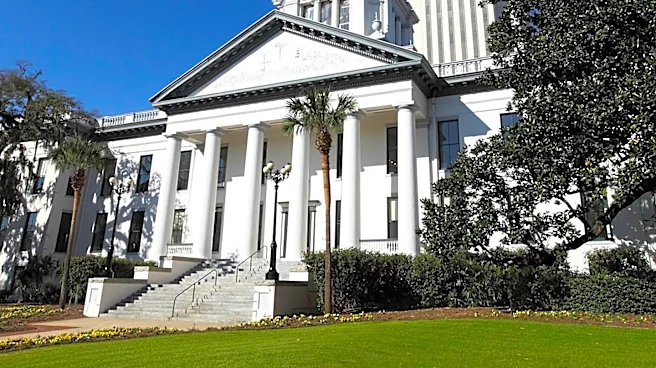
The Eleventh Circuit Court of Appeals has reversed a lower court's decision, ruling that 'qui tam' relators under the False Claims Act (FCA) are not 'Officers of the United States.' This decision stems from the case *USA ex rel. Zafirov v. Florida Medical
Associates, LLC*, where a federal district court in Florida had previously declared the qui tam provision unconstitutional. The district court had argued that relators, who bring lawsuits on behalf of the U.S. government against those defrauding it, should be considered 'officers' and thus require appointment under the Appointments Clause of the Constitution. The Eleventh Circuit's unanimous panel disagreed, asserting that relators do not hold a 'continuing position' as defined by Supreme Court precedent, specifically *Lucia v. SEC*. The court's analysis focused on whether a relator's tenure is permanent, their employment has duration, they receive continuing emoluments, and their duties are continuous. Finding these criteria not met, the appellate court remanded the case back to the district court to consider other arguments, including those related to the Take Care Clause and the Article II Vesting Clause.
Why It's Important?
This ruling is significant for the future of the False Claims Act, a critical tool for combating fraud against the federal government. If qui tam relators were deemed 'Officers of the United States,' it would fundamentally alter how these cases are brought, potentially requiring a formal appointment process for private citizens who uncover and report fraud. Such a requirement could severely limit the effectiveness and volume of FCA cases, as the current system allows any private citizen to initiate a suit. The Eleventh Circuit's decision preserves the existing framework, which has been instrumental in recovering billions of dollars for taxpayers. However, the remand to consider Take Care Clause and Vesting Clause arguments indicates that the constitutional challenges to the qui tam provisions are far from over. The outcome of these further deliberations could still reshape the landscape of federal fraud enforcement and the balance of power between private citizens and the executive branch in prosecuting claims on behalf of the government.
What's Next?
The case will now return to the federal district court in the Middle District of Florida. The district court will be tasked with evaluating the defendants' remaining arguments, specifically those concerning the Take Care Clause and the Article II Vesting Clause. These arguments question whether the President's duty to 'take care that the laws be faithfully executed' is undermined by private citizens initiating lawsuits on behalf of the United States, and whether Congress can vest such authority in private parties. Legal scholars anticipate that if relators are not considered 'officers,' they might be classified as 'employees,' which could still raise questions about their ability to exercise 'significant authority' under federal statutes. The resolution of these issues could lead to further appeals, potentially reaching the Supreme Court, given the long-standing constitutional debate surrounding the qui tam provisions and their historical pedigree dating back to the First Congress.
Beyond the Headlines
The ongoing legal scrutiny of the False Claims Act's qui tam provisions delves into fundamental questions of constitutional law, particularly the separation of powers and the nature of executive authority. The debate highlights the tension between historical practice—where qui tam actions have existed since the early days of the republic—and modern interpretations of the Appointments Clause and executive power. The Eleventh Circuit's decision, while clarifying one aspect, leaves open broader questions about who can exercise governmental power and under what authority. The implications extend beyond fraud cases, touching upon the broader scope of private enforcement mechanisms in federal law. The outcome of these challenges could influence how Congress designs future statutes that rely on private citizens to enforce federal laws, potentially impacting areas from environmental protection to consumer rights, by redefining the boundaries of private action in the public interest.