
What's Happening?
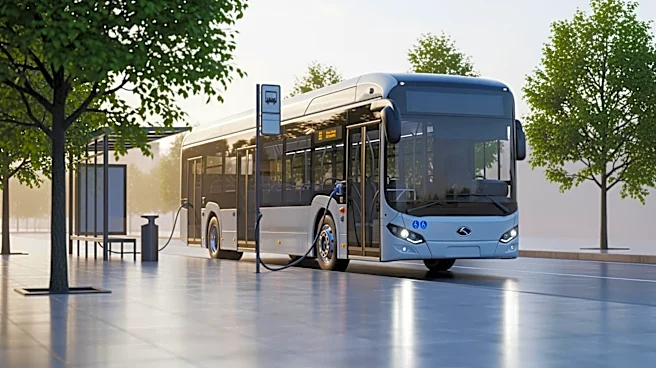
The Sacramento City Unified School District (SCUSD) is making significant strides in transitioning its school bus fleet to electric vehicles. The district aims to convert 80% of its buses to electric within
five years, a move driven by the need to reduce emissions and save on fuel costs. Currently, the district operates 105 buses, with 19 already electric and two more expected soon. This transition is supported by a $2.4 million grant from the Sacramento Air Quality Management District. The district's sustainability manager, Chamberlain Segrest, highlighted the volatility of diesel prices and the cost-effectiveness of electricity from SMUD as key factors in this decision. The initiative aligns with California's broader goal of achieving carbon neutrality by 2045.
Why It's Important?
This transition to electric buses is crucial for several reasons. Firstly, it addresses the rising fuel costs that have been exacerbated by geopolitical tensions affecting global oil supply. By reducing reliance on diesel, the district can stabilize its transportation budget and redirect savings to educational resources. Secondly, the shift to electric buses significantly reduces air pollution, particularly in the Sacramento Valley, which is prone to trapping smog due to its geographical location. This move not only improves air quality but also sets a precedent for other districts to follow, contributing to statewide and national climate goals. The initiative also fosters early adoption of electric vehicle technology among students, potentially influencing future consumer behavior.
What's Next?
The district plans to continue expanding its electric bus fleet, with a target of 80% electrification within five years. This will involve securing additional funding and grants to support the purchase of new electric buses. The district will also need to invest in infrastructure, such as charging stations, to support the growing fleet. As the transition progresses, the district will likely engage with stakeholders, including parents, students, and local government, to ensure a smooth implementation. Monitoring and reporting on the environmental and economic impacts of this transition will be crucial in maintaining support and securing future funding.