





What's Happening?
A conservative business group, The League of RI Businesses, saw its multi-PAC strategy fail to unseat incumbent state lawmakers in the recent Rhode Island General Assembly primary elections. Despite endorsing a slate of conservative-minded candidates
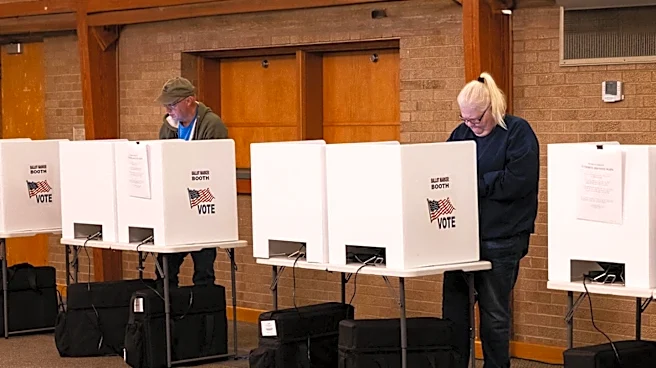
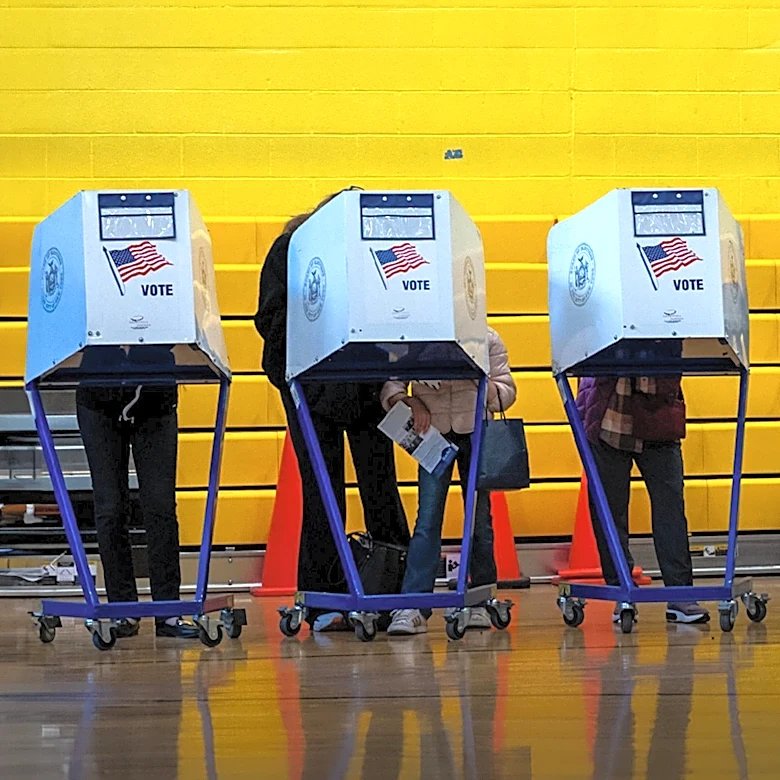
and employing an unconventional campaign finance approach involving 40 Political Action Committees (PACs) to circumvent state donation caps, all seven Democratic challengers backed by The League in state legislative races lost, some by significant margins. The League champions gun rights, lower taxes, and business-friendly policies. Co-founder Dave Levesque attributed the losses not to the candidates or strategy, but to a perceived lack of voter turnout among middle and right-leaning constituents, contrasting with higher participation from the left. Preliminary turnout results from the Rhode Island Department of State indicated over 19% of registered voters cast ballots statewide, marking the highest primary participation since at least 2018.
Why It's Important?
This outcome highlights the challenges faced by new political groups attempting to influence established political landscapes, particularly in states with dominant parties and strong incumbent advantages like Rhode Island. The failure of The League's multi-PAC strategy, which aimed to maximize financial contributions by creating numerous PACs, could have broader implications for campaign finance reform discussions. John Marion, executive director of Common Cause Rhode Island, noted that General Assembly leadership often dedicates substantial resources to protect its members, making it difficult for challengers to succeed. The results suggest that while financial backing is important, it does not guarantee electoral success, especially when voters may react negatively to perceived attempts to bypass campaign finance regulations. The League's experience could deter similar multi-PAC strategies in other states or prompt legislative efforts to close such loopholes, as Marion plans to reintroduce legislation to clarify PAC donation limits.
What's Next?
The League of RI Businesses, despite its primary losses, plans to continue its efforts by backing a dozen challengers, primarily Republicans and some independents, in the upcoming November 3 general election. The group also intends to remain active in future election cycles. Concurrently, John Marion of Common Cause Rhode Island plans to reintroduce legislation in the next session to close the loophole that allowed The League's multi-PAC strategy. This proposed legislation would explicitly state that connected PACs are subject to the $2,000 per candidate annual donation limit, mirroring federal campaign finance laws. The bills previously failed to advance out of committee in 2026. The general election will test the continued influence of incumbents and the effectiveness of The League's remaining endorsements, while the legislative session will determine if campaign finance regulations in Rhode Island will be tightened.
Beyond the Headlines
The unsuccessful multi-PAC strategy employed by The League of RI Businesses raises deeper questions about the efficacy and ethics of campaign finance tactics designed to maximize financial influence in elections. While technically operating within the bounds of existing law, the strategy drew criticism for potentially undermining the spirit of donation limits. The public's perception of such tactics, as indicated by some voters' negative reactions to the money pumped into certain campaigns, suggests a broader societal concern about the role of money in politics. This situation could fuel public demand for greater transparency and stricter regulations on political donations, potentially leading to a re-evaluation of campaign finance laws not just in Rhode Island but across other states. The outcome also underscores the enduring power of incumbency and grassroots campaigning over well-funded, but perhaps less locally connected, political operations.