


What's Happening?
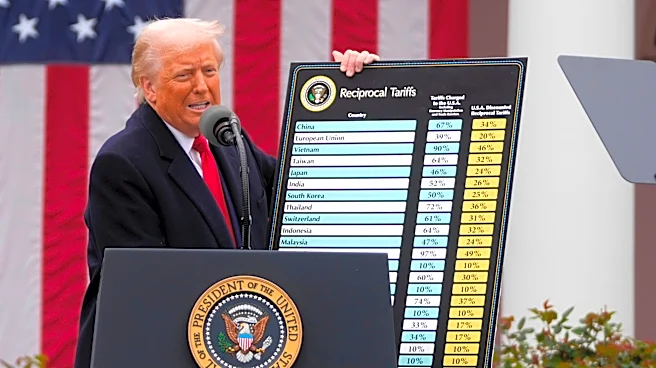
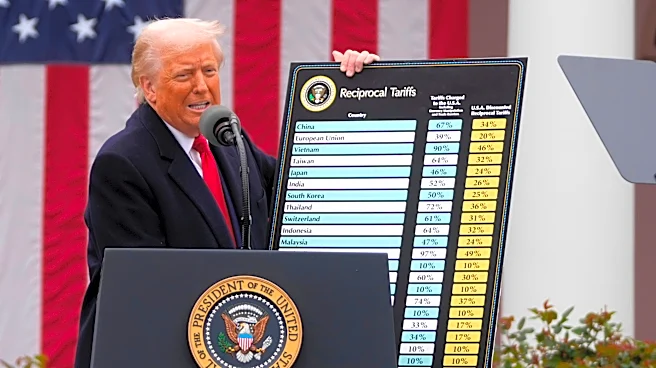
South Africa is planning to issue regulations to prohibit the importation of goods produced using forced and child labor. This decision follows the imposition of a 12.5% tariff by the United States on certain South African exports. The U.S. Trade Representative's
decision was based on an investigation into whether South Africa's policies were discriminatory and burdensome to U.S. commerce. The South African government, led by Trade, Industry, and Competition Minister Parks Tau, is seeking public comments on the proposed regulations. The tariffs affect a range of South African exports, although some products, such as automobiles and steel, are exempt.
Why It's Important?
The U.S. tariffs and South Africa's response highlight the growing international focus on ethical labor practices and the enforcement of labor standards. For South Africa, the move to prohibit goods produced by forced labor is a step towards aligning with global trade norms and could improve its trade relations with the U.S. and other countries. However, the tariffs could have economic implications for South African exporters, potentially affecting their competitiveness in the U.S. market. The situation underscores the importance of balancing trade policies with ethical considerations in global commerce.
What's Next?
South Africa will continue to engage with the U.S. to negotiate the reduction or elimination of the tariffs. The public consultation process on the proposed regulations will likely lead to the development of new policies aimed at preventing the importation of goods produced under unethical labor conditions. The outcome of these discussions and regulatory changes could influence South Africa's trade dynamics and its relationships with international partners.