




What's Happening?
The National Oceanic and Atmospheric Administration (NOAA) forecasts a shift in the jet stream southward and eastward across the United States during the winter of 2026-2027. This atmospheric change is a direct consequence of the strengthening El Niño
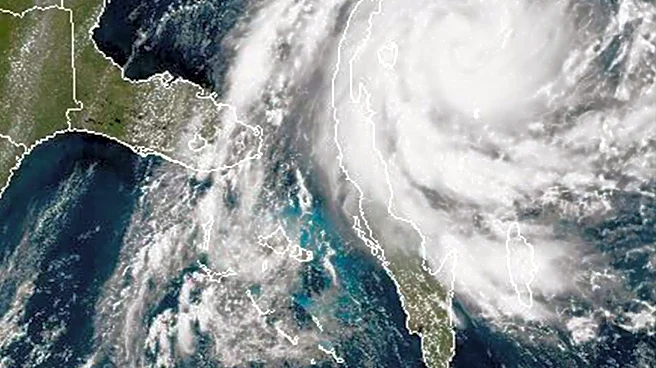
phenomenon, which is expected to reach very strong intensity by the end of 2026. The World Meteorological Organization (WMO) and the International Research Institute for Climate and Society (IRI) at Columbia University corroborate this, with models projecting sea surface temperature anomalies significantly above normal in the tropical Pacific. NOAA's prediction indicates an increased likelihood of wetter weather and storms for the southern region, extending from California to Florida, as well as along the East Coast. Furthermore, NOAA warns that heavy rainfall in areas previously affected by drought could elevate the risk of flash floods and landslides, as dry soil may struggle to absorb large volumes of water quickly. The El Niño event is anticipated to persist through the March to May 2027 period, with its effects potentially continuing into the middle of next year.
Why It's Important?
This NOAA forecast carries significant implications for various sectors across the U.S. The increased precipitation in the southern and eastern regions could alleviate ongoing drought conditions in some areas, benefiting agriculture and water resources. However, the heightened risk of flash floods and landslides poses a substantial threat to infrastructure, public safety, and property. Communities in drought-stricken areas are particularly vulnerable, as dry, compacted, or fire-damaged soil has reduced water absorption capacity, leading to rapid runoff. This could result in significant economic losses from property damage, agricultural disruption, and increased emergency response costs. Industries reliant on stable weather patterns, such as construction, transportation, and tourism, may face operational challenges. The forecast also underscores the broader impact of climate phenomena on regional weather patterns, necessitating proactive measures from state and local governments to mitigate potential hazards and protect vulnerable populations.
What's Next?
In response to NOAA's predictions, U.S. states and municipalities in the affected southern and eastern regions will likely need to enhance their preparedness for increased rainfall, storms, and the associated risks of flooding and landslides. This may involve reviewing and updating emergency response plans, strengthening infrastructure, and implementing public awareness campaigns regarding flood safety. Agricultural sectors in these regions may need to adjust planting schedules and water management strategies to adapt to the anticipated wetter conditions. Hydrologists and environmental agencies will closely monitor soil moisture levels and river systems to provide timely warnings for flash floods. The persistence of El Niño into mid-2027 suggests that these weather patterns could have a prolonged impact, requiring sustained vigilance and adaptive strategies from various stakeholders, including local governments, businesses, and residents.
Beyond the Headlines
The anticipated weather shifts due to El Niño highlight the complex and interconnected nature of global climate systems and their localized impacts. Beyond immediate concerns of flooding and drought relief, this event underscores the long-term challenges of climate variability and the need for robust climate adaptation strategies. The potential for flash floods in previously dry areas also brings to light the often-overlooked aspect of soil health and its role in water absorption and disaster mitigation. This situation could prompt deeper discussions on sustainable land management practices, urban planning that accounts for increased runoff, and the development of resilient infrastructure. Furthermore, the event serves as a reminder of the critical role of scientific agencies like NOAA in providing timely and accurate climate forecasts, which are essential for informed decision-making and safeguarding communities against the escalating impacts of extreme weather events.