





What's Happening?
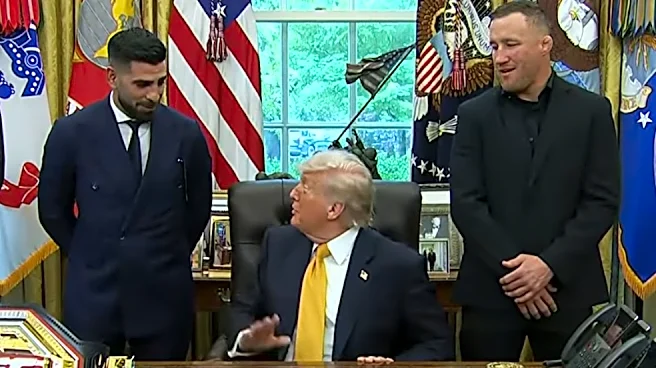
President Donald Trump hosted UFC fighters in the Oval Office to promote an upcoming fight scheduled for June 14 on the White House South Lawn. During the event, Trump discussed recent developments in U.S.-Iran relations, stating that he had 'very good'
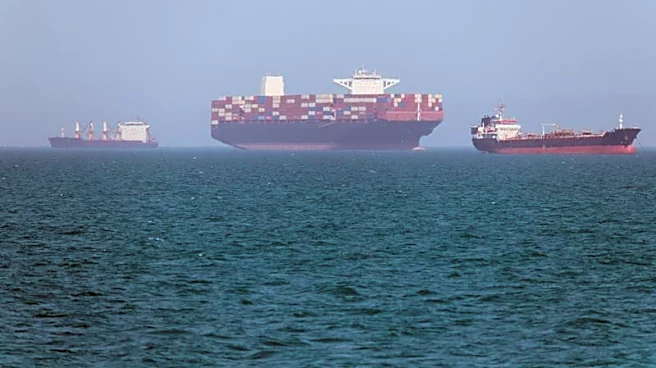
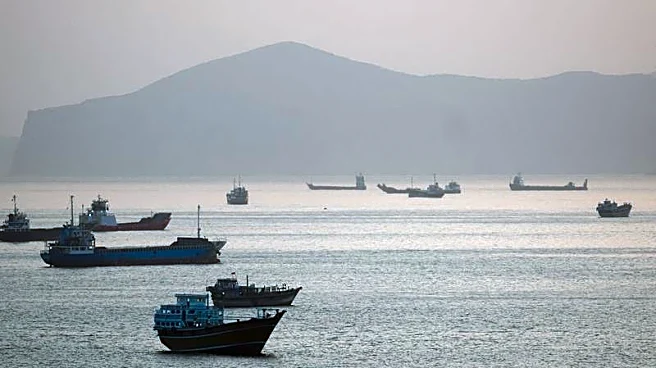
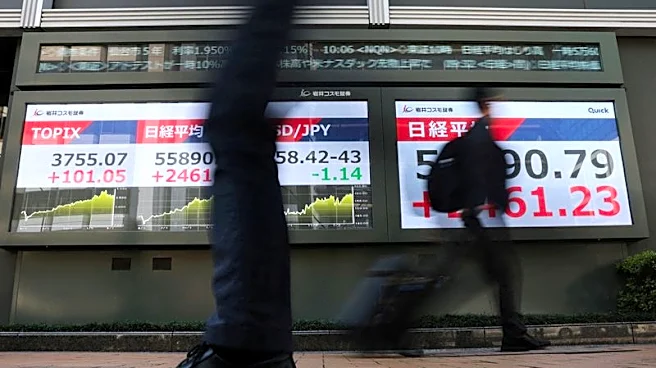
talks with Iran over the past 24 hours. The event highlighted Trump's diverse priorities, balancing international conflict with domestic events. The White House plans to host the UFC fight as part of the 250th anniversary celebrations of the United States. Trump also met with executives from Chevron and ExxonMobil to discuss the economic impact of the ongoing conflict with Iran. Despite the war, Trump noted the resilience of the stock market and a decline in oil prices, although gas prices have reached a wartime high.
Why It's Important?
The event underscores President Trump's approach to managing international conflicts while maintaining domestic engagements. The talks with Iran are crucial as they aim to address the nuclear threat posed by Iran, which has been a significant concern for U.S. national security. The economic discussions with major oil companies reflect the administration's efforts to mitigate the economic impact of the conflict, particularly in terms of oil prices and market stability. The UFC event at the White House also illustrates Trump's strategy of using high-profile events to garner public attention and support, potentially influencing public perception of his administration's handling of international and domestic issues.
What's Next?
The next steps involve continued negotiations with Iran, as Trump expressed optimism about reaching a deal. The administration will likely focus on ensuring that Iran does not develop nuclear weapons, a key objective in the ongoing talks. The planned UFC event is expected to draw significant public and media attention, potentially serving as a platform for Trump to further communicate his administration's achievements and goals. The economic impact of the conflict will continue to be monitored, with potential adjustments in policy to address fluctuations in oil prices and market conditions.