

What's Happening?
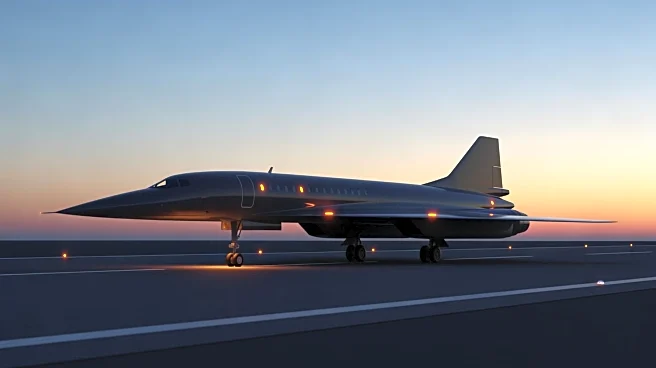
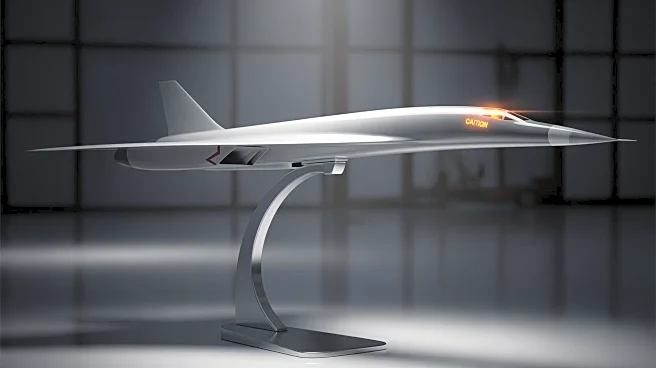
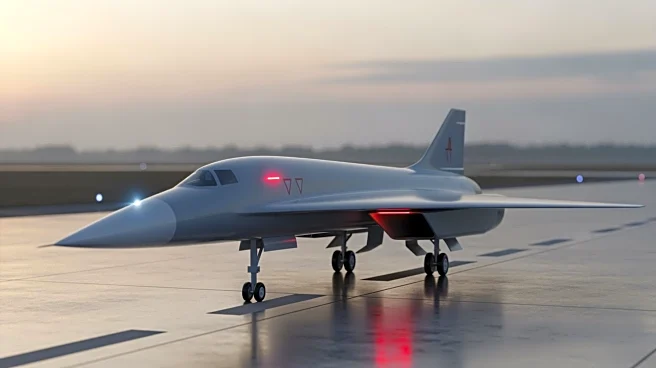
NASA's X-59 supersonic jet, part of the Quiet Supersonic Technology mission, experienced a shortened second test flight due to a cockpit warning light. The flight, intended to expand the jet's operational envelope, lasted only nine minutes before the aircraft
returned safely to Edwards Air Force Base. Despite the early landing, NASA officials remain optimistic, having collected valuable data. The X-59 aims to reduce the noise of sonic booms to mere thumps, potentially allowing for supersonic flights over land, which have been banned in the U.S. since 1973.
Why It's Important?
The X-59 project represents a significant step forward in aviation technology, with the potential to revolutionize air travel by enabling faster-than-sound flights over land. Success in this mission could open new commercial markets for passenger and cargo transport, significantly reducing travel times. The project's progress is crucial for the aerospace industry and could influence future regulations on supersonic travel, impacting economic and technological advancements in the sector.
What's Next?
NASA plans to continue the flight-test campaign, addressing the issues encountered during the recent flight. Further tests will aim to achieve the intended speed and altitude goals, gathering more data to support the mission's objectives. The resolution of technical challenges will be critical for the project's success and the potential lifting of the supersonic flight ban over land.