





What's Happening?
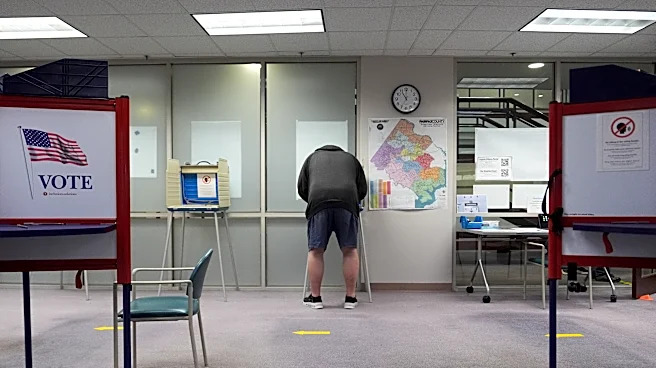
The U.S. Court of Appeals for the Seventh Circuit has reinstated an Indiana law that prohibits the use of public university student identification cards for voting. This decision comes as early voting is underway for the state's May 5 primary election.
Previously, a federal judge had blocked the enforcement of this law, granting a preliminary injunction after voter advocates argued that the ban infringed on young voters' rights. The plaintiffs, including organizations like Count Us IN and Women4Change Indiana, along with Indiana University student Josh Montagne, challenged the law. Despite the injunction, the state filed an emergency motion to suspend it, which the appeals court granted, pending a full appeal. Indiana Attorney General Todd Rokita praised the decision, citing it as a victory for election integrity.
Why It's Important?
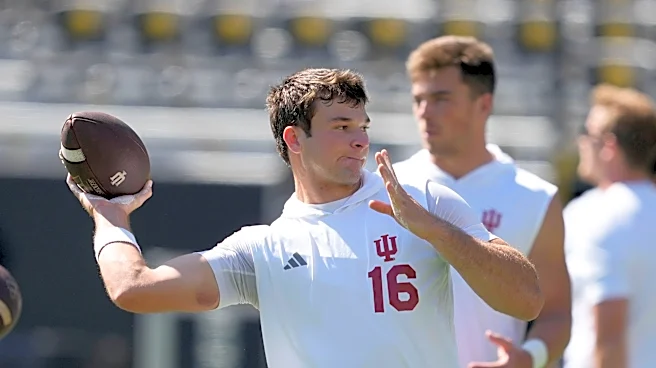
The reinstatement of the college ID voting ban has significant implications for voter access and election integrity debates in Indiana. The law's supporters argue it is necessary to prevent potential voter fraud and ensure that only eligible voters participate in elections. However, critics claim it disproportionately affects young voters, particularly college students, by limiting their access to the polls. The decision could impact between 40,000 and 90,000 students in Indiana, according to estimates. This development highlights ongoing national discussions about voter ID laws and their effects on voter turnout and accessibility, especially among younger demographics.
What's Next?
The appeals court has promised a 'reasoned decision' within two business days, which will provide further clarity on the legal standing of the ban. Meanwhile, voter advocacy groups are likely to continue their efforts to challenge the law, potentially seeking further legal remedies. The outcome of this case could influence similar legal battles in other states, as well as future legislative efforts to modify voter ID requirements. Stakeholders, including political leaders and civil rights organizations, will be closely monitoring the situation to assess its impact on voter participation in the upcoming primary and general elections.