






What's Happening?
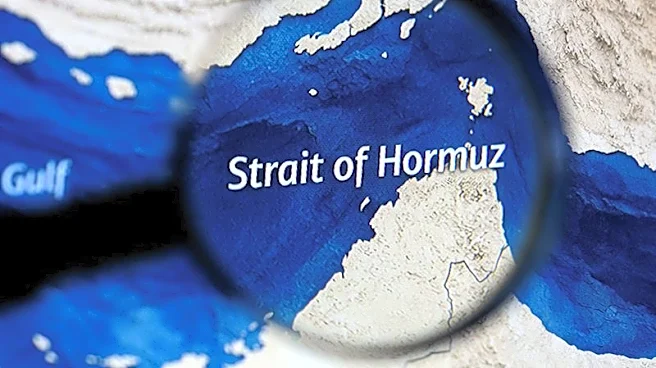
Saudi Arabia and Kuwait have reversed their decision to block U.S. military access to their bases and airspace, a move that had initially hindered the U.S. operation to reopen the Strait of Hormuz. This development comes as the U.S. seeks to restart 'Project
Freedom,' an initiative aimed at ensuring the free passage of oil tankers through the strategic waterway. The initial restrictions were imposed following the start of the American operation, which was part of a broader effort to counter Iranian influence in the region. The lifting of these restrictions eases a significant hurdle for the U.S., allowing for potential resumption of military activities in support of the operation.
Why It's Important?
The decision by Saudi Arabia and Kuwait to lift restrictions on U.S. military access is a critical development in the ongoing geopolitical tensions in the Middle East. It reflects a shift in regional dynamics and the importance of maintaining open lines of communication and cooperation between the U.S. and its Gulf allies. The ability to use these bases and airspace is crucial for the U.S. to project power and ensure the security of vital oil shipping routes. This move also highlights the complex interplay of regional politics, as countries navigate their relationships with both the U.S. and Iran.
What's Next?
With the restrictions lifted, the U.S. is likely to proceed with plans to secure the Strait of Hormuz, potentially involving increased military presence and coordination with regional allies. This development may also lead to further diplomatic engagements aimed at de-escalating tensions and finding a long-term solution to the security challenges in the region. The situation remains fluid, and the U.S. will need to carefully manage its relationships with both Saudi Arabia and Kuwait to ensure continued cooperation.