






What's Happening?
Ocean medicine focuses on the unique challenges of providing healthcare in maritime environments, where familiar clinical problems become more complex. A key distinction is made between cold water shock and hypothermia. Cold water shock is the body's
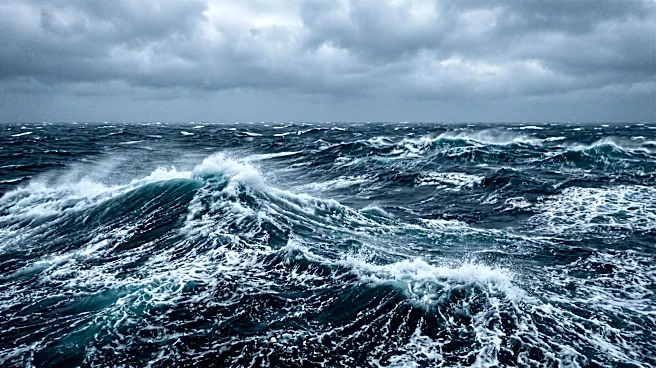
immediate response to sudden immersion, causing involuntary gasping, rapid breathing, and increased heart rate and blood pressure, which can heighten the risk of drowning. Hypothermia, conversely, develops when the body's core temperature drops below 35°C. Understanding these differences is crucial for maritime teams to prepare for and manage immersion incidents effectively. The Wilderness Medical Society provides guidance on assessing and treating accidental hypothermia, which is a critical component of ocean medicine training. The field also addresses common issues like wounds, musculoskeletal injuries, seasickness, and skin problems, which, while not immediately life-threatening, can significantly impact an offshore team's operational capacity due to limited resources and recovery opportunities at sea.
Why It's Important?
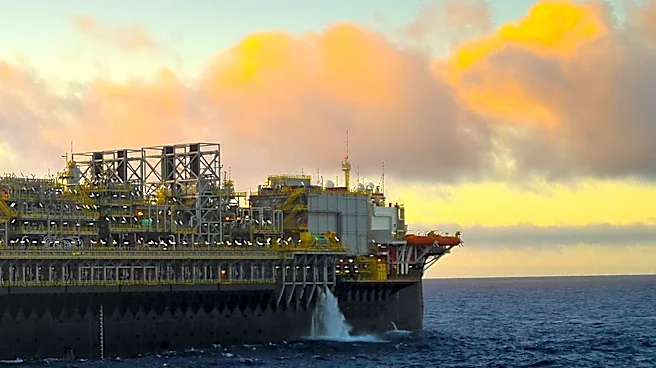
The specialized field of ocean medicine is vital for ensuring the safety and well-being of individuals working or traveling in maritime settings, from offshore sailing to expedition ships. The unique environmental factors at sea, such as cramped spaces, limited access to advanced medical facilities, and the challenges of evacuation, mean that even minor health issues can escalate into significant problems. For U.S. maritime industries, including commercial shipping, fishing, and recreational boating, understanding and implementing ocean medicine principles can reduce medical emergencies, improve crew health, and enhance operational efficiency. Proper training in areas like hypothermia management and remote medical support can save lives and prevent long-term health complications, ultimately contributing to a more resilient and safer maritime workforce. The economic impact of medical emergencies at sea, including costly evacuations and operational delays, underscores the importance of proactive medical preparation and training.
What's Next?
The ongoing development and dissemination of ocean medicine training programs, such as courses combining teaching, practical workshops, and on-water scenarios, are crucial next steps. These programs aim to equip clinicians and maritime personnel with the skills to translate existing medical knowledge into effective care within the constraints of a marine environment. Future efforts will likely focus on refining guidelines for remote medical support, improving communication protocols with land-based medical advisors, and enhancing evacuation planning. Continued research into common medical problems at sea will also inform better preventative strategies and treatment approaches. As maritime activities, including offshore energy and tourism, continue to grow, the demand for specialized ocean medicine expertise and robust medical preparedness will increase, driving further innovation and training in this field.
Beyond the Headlines
Beyond immediate medical care, ocean medicine highlights broader ethical and logistical considerations. The ethical imperative to provide adequate care in remote and challenging environments necessitates a re-evaluation of standard medical practices. Legal implications arise concerning the duty of care for individuals at sea and the responsibilities of vessel operators. Culturally, there's a need to foster a proactive safety culture within maritime communities, where medical preparedness is as integral as navigational safety. Long-term shifts could include the integration of advanced telemedicine technologies to bridge the gap between offshore locations and land-based medical expertise, and the development of more resilient and self-sufficient medical kits tailored for extended voyages. This specialization also underscores the interconnectedness of human health with environmental conditions, pushing for a holistic approach to well-being in extreme settings.