
What's Happening?
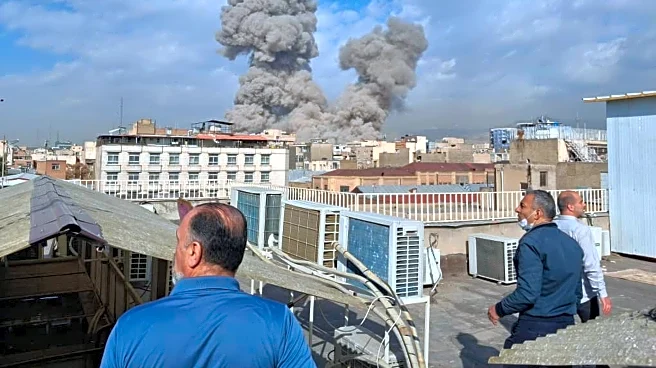
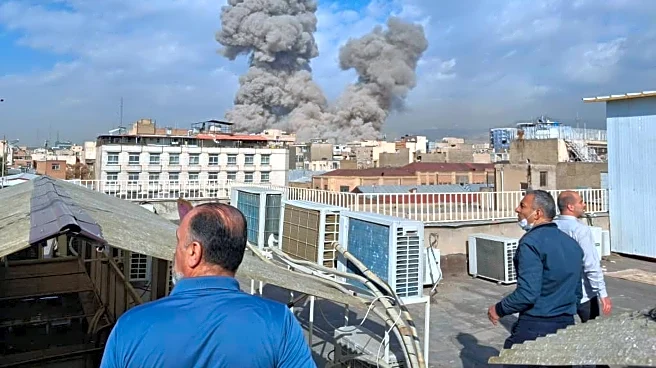
The Gulf Cooperation Council (GCC) states, including Saudi Arabia and the United Arab Emirates, are confronted with strategic decisions following Iranian drone attacks on civilian targets in Dubai and other GCC member states. These attacks have disrupted
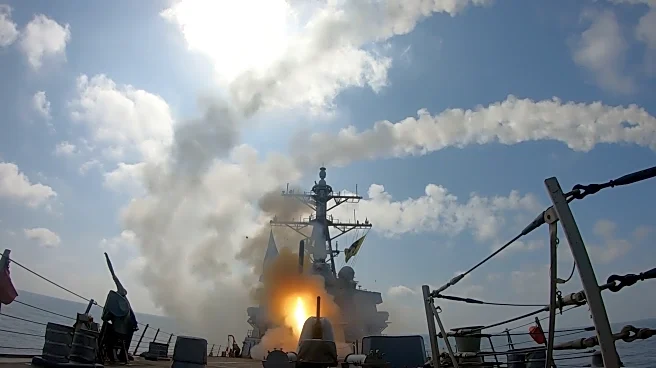
trade flows through the Straits of Hormuz, a critical passage for global oil and gas exports. The GCC countries, heavily reliant on imported foodstuffs and basic necessities, face significant economic challenges as the conflict escalates. Despite previous diplomatic efforts to maintain peaceful relations with Iran, the GCC states are now considering their options, which include either pressing for a halt to the war or potentially joining military efforts alongside the United States and Israel to bring the conflict to a decisive end.
Why It's Important?
The situation holds substantial implications for global markets, particularly concerning oil prices and economic stability. The GCC's economic model, which relies on the free movement of trade, is under threat, potentially affecting global supply chains. The decision by the GCC states to either engage militarily or seek diplomatic solutions will influence regional stability and international relations. A military intervention could escalate tensions further, while a diplomatic approach might not guarantee an end to hostilities. The outcome of these decisions will impact not only the Middle East but also global economic stakeholders who depend on the region's energy exports.
What's Next?
The GCC states must weigh the risks of military involvement against the potential long-term economic damage of continued conflict. If they choose to intervene, it could lead to a more rapid resolution of the conflict but also increase regional instability. Alternatively, diplomatic efforts might prolong the conflict but preserve economic relations. The international community, including major powers like the United States and Israel, will play a crucial role in shaping the GCC's response. The decisions made in the coming weeks will be pivotal in determining the future of the region's political and economic landscape.
Beyond the Headlines
The conflict highlights the complex geopolitical dynamics in the Middle East, where historical rivalries and alliances shape current events. The GCC's response will reflect broader regional power shifts and could redefine alliances. The situation also underscores the vulnerability of global trade routes to geopolitical tensions, emphasizing the need for diversified energy sources and trade routes. The ethical implications of military intervention, particularly concerning civilian casualties and regional stability, will be a critical consideration for GCC leaders as they navigate this crisis.