



What's Happening?
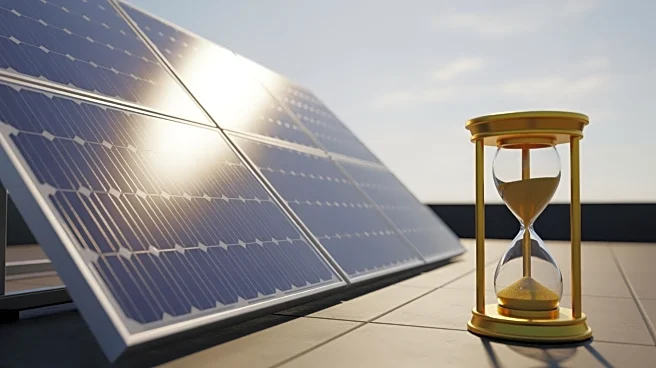
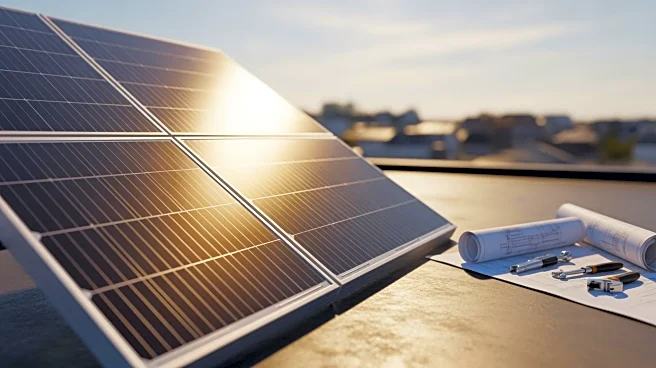
Amid rising electricity costs, many Americans are turning to DIY solar panels to reduce their energy bills. This trend is part of a broader shift towards renewable energy sources, which are both environmentally friendly and cost-effective. However, the installation
of these 'balcony solar' systems often falls into a legal gray area. In most states, homeowners are required to make agreements with local utility companies before installing solar panels. This process can be time-consuming and costly, leading some individuals to bypass these regulations and install 'guerilla solar systems' without notifying utility companies. In response to this issue, Utah has introduced a new law allowing residents to install solar panels without needing agreements with utility companies. This legislative change has inspired similar initiatives in approximately 28 other states, aiming to simplify solar panel installation across the U.S.
Why It's Important?
The move towards DIY solar panels highlights a significant shift in how Americans are addressing rising energy costs and environmental concerns. By adopting solar energy, households can potentially reduce their electricity bills and contribute to a decrease in carbon emissions. However, the legal complexities surrounding DIY installations pose challenges for consumers and utility companies alike. The legislative changes in Utah and other states could pave the way for more accessible and widespread adoption of solar technology, potentially transforming the energy landscape in the U.S. This shift could also stimulate economic growth in the renewable energy sector, creating jobs and fostering innovation.
What's Next?
As more states consider legislation to ease the installation of solar panels, the renewable energy sector may see increased growth and investment. Utility companies might need to adapt to these changes by developing new business models that accommodate decentralized energy production. Additionally, there could be increased pressure on lawmakers to streamline regulations and support the transition to renewable energy. Public awareness and education campaigns may also be necessary to ensure that consumers understand the legal requirements and benefits of solar energy.