







What's Happening?
A joint assessment by the Food and Agriculture Organization of the United Nations (FAO) and the United Nations Satellite Centre (UNOSAT) has revealed early signs of recovery in Gaza's agriculture and livestock sectors. The report, based on high-resolution
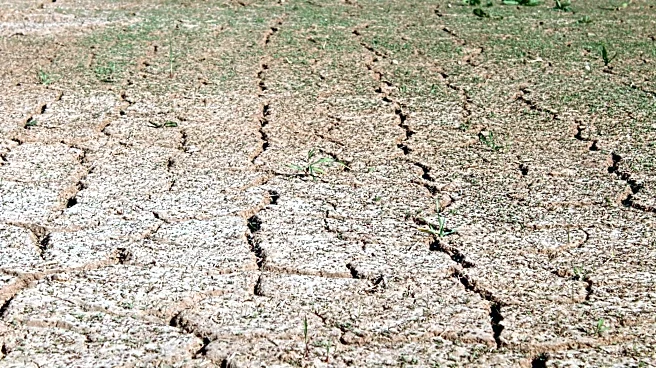
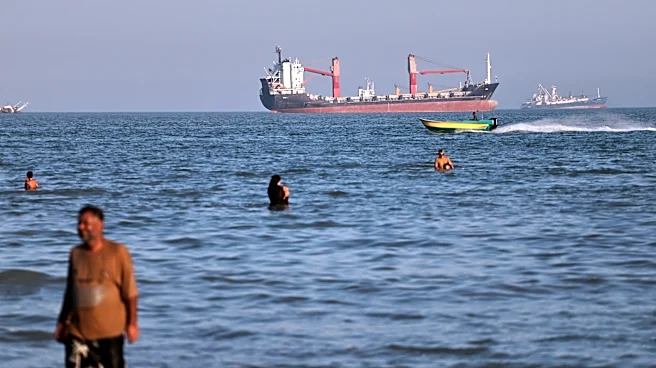
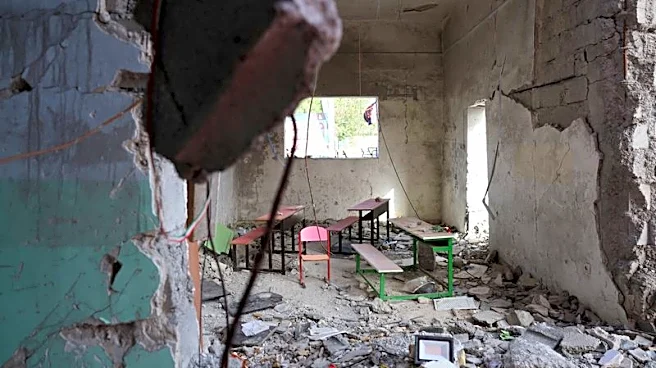
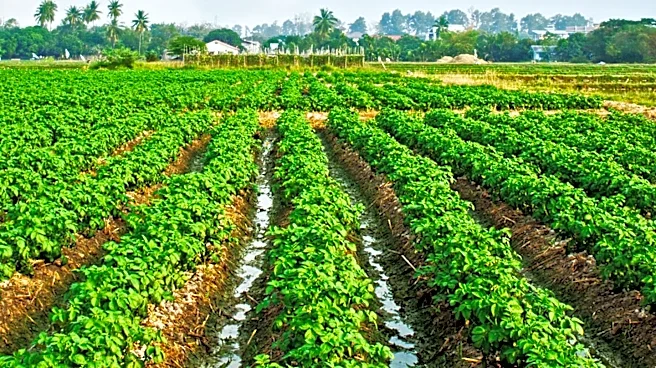
satellite data, indicates limited rehabilitation of greenhouse infrastructure, with approximately 24 hectares of damaged greenhouses repaired between October 2025 and April 2026. Additionally, 22 hectares of new greenhouse structures have been identified, primarily in Khan Yunis and Deir al-Balah Governorates. Despite these efforts, over 81 percent of greenhouse infrastructure remains damaged, severely limiting food production. The livestock sector shows promising recovery, with sheep and goat populations increasing by 33 percent and 8 percent, respectively, since November 2025. This recovery is attributed to increased emergency support following a ceasefire. However, significant challenges persist, including extensive damage to cropland and agricultural infrastructure, and restrictions on land and sea access.
Why It's Important?
The recovery of Gaza's agriculture and livestock sectors is crucial for improving local food availability and reducing dependency on humanitarian aid. The increase in livestock populations enhances prospects for milk and dairy production, benefiting vulnerable households. However, the extensive damage to agricultural infrastructure and ongoing restrictions pose significant barriers to full recovery. The situation underscores the need for sustained investment and unimpeded access to agricultural inputs to rebuild Gaza's agrifood system. The FAO's support, including conditional cash assistance and distribution of animal feed, plays a vital role in aiding recovery efforts. The broader implications of this recovery are significant for the region's stability and food security, highlighting the importance of international support and cooperation.
What's Next?
Continued efforts are needed to address the severe damage to Gaza's agricultural infrastructure and to ensure the delivery of essential agricultural inputs. The FAO plans to scale up its support, aiming to reach additional farming households with conditional cash assistance and technical guidance. The organization is also increasing the distribution of animal feed to support livestock keepers. These efforts are essential to sustain the recovery momentum and to reduce long-term dependence on humanitarian aid. The international community's role in facilitating access to resources and supporting recovery initiatives will be critical in the coming months.