


What's Happening?
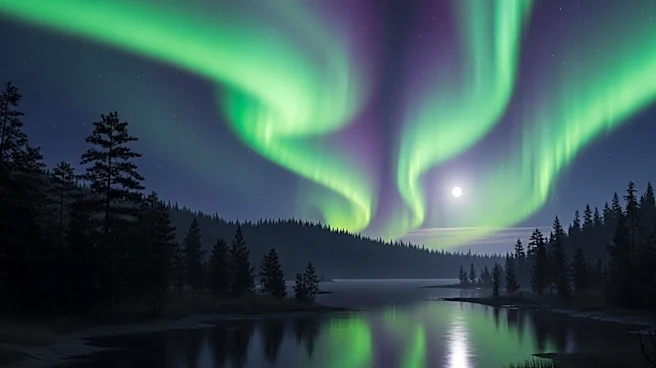
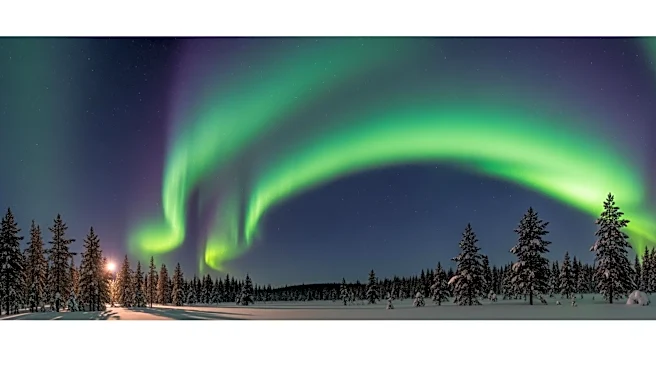
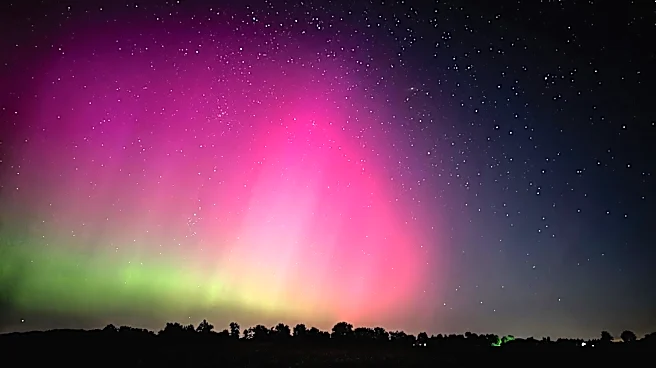
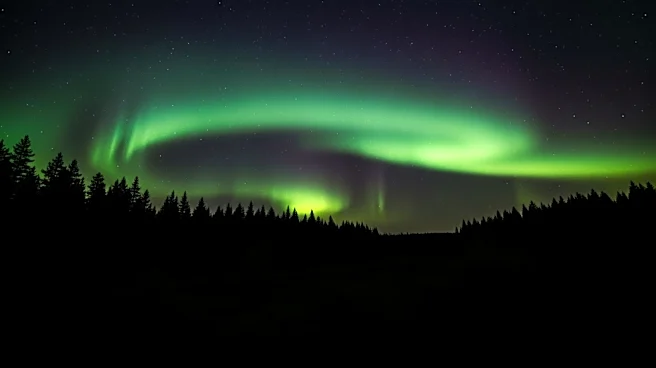
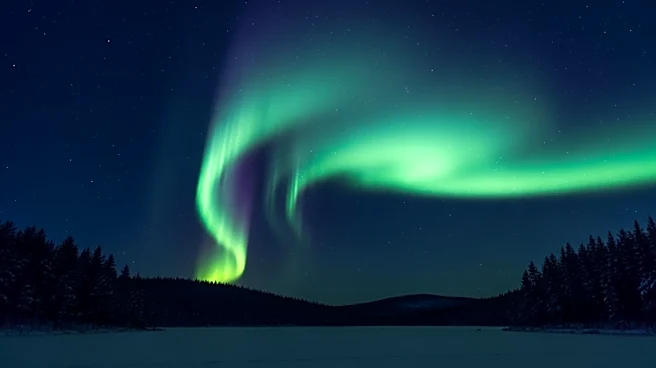
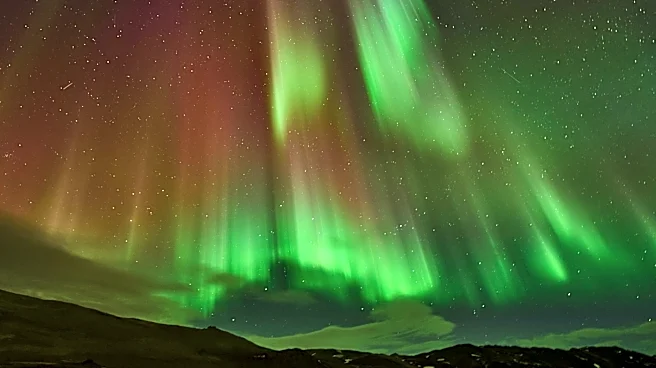
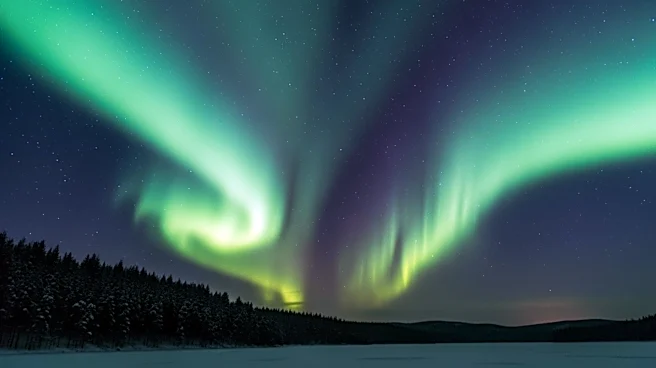
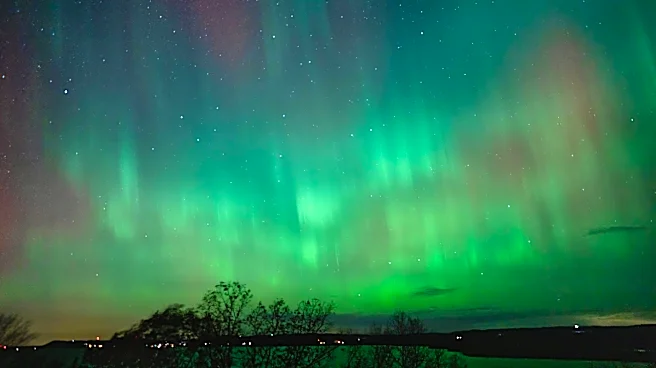
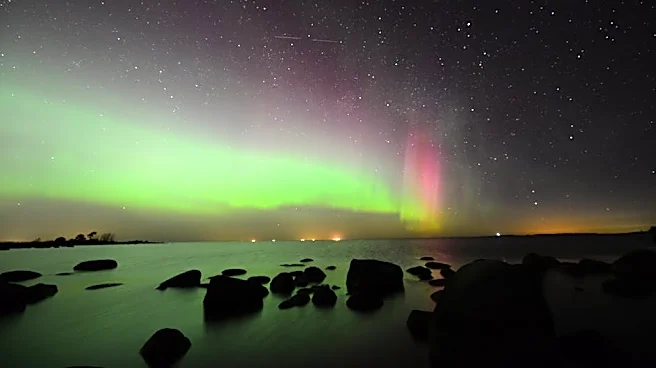
The National Oceanic and Atmospheric Administration (NOAA) has forecasted a minor G1 geomagnetic storm that could make the aurora borealis visible across parts of the northern United States from May 15 through May 17. This phenomenon is attributed to a fast
stream of solar wind emanating from a large coronal hole in the sun's atmosphere. The strongest activity is expected between 11 p.m. and 2 a.m. EDT, potentially affecting areas from Alaska to Maine. However, visibility will depend on local conditions such as cloud cover and the Earth's magnetic field response.
Why It's Important?
The potential visibility of the aurora borealis in the northern U.S. presents a unique opportunity for residents and tourists to witness this natural spectacle. It also highlights the ongoing monitoring and predictive capabilities of NOAA's Space Weather Prediction Center, which plays a crucial role in preparing for and mitigating the impacts of space weather on communication systems, power grids, and other critical infrastructure. Understanding and predicting geomagnetic storms are essential for minimizing disruptions and ensuring public safety.
What's Next?
As the geomagnetic storm progresses, NOAA will continue to monitor solar activity and provide updates on the potential for aurora visibility. Residents in the affected areas are advised to check local weather conditions and plan for optimal viewing times. The event underscores the importance of continued investment in space weather research and infrastructure to enhance predictive accuracy and public awareness.