





What's Happening?
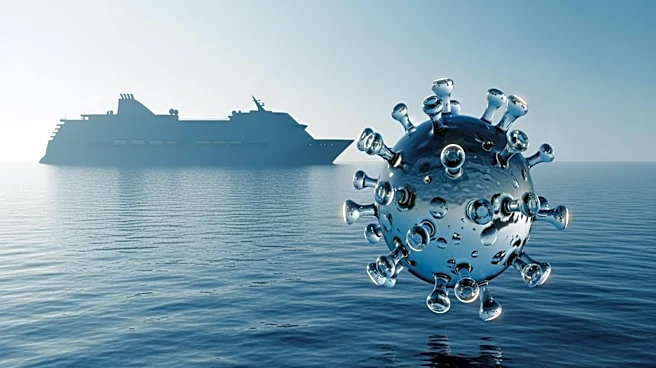
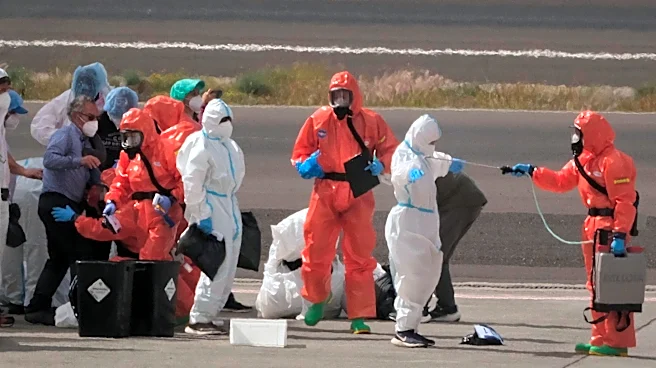
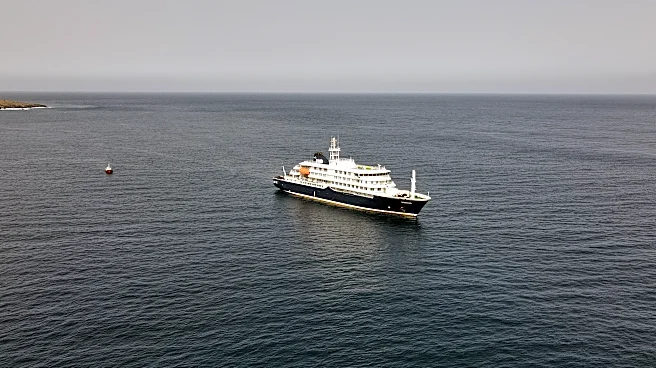
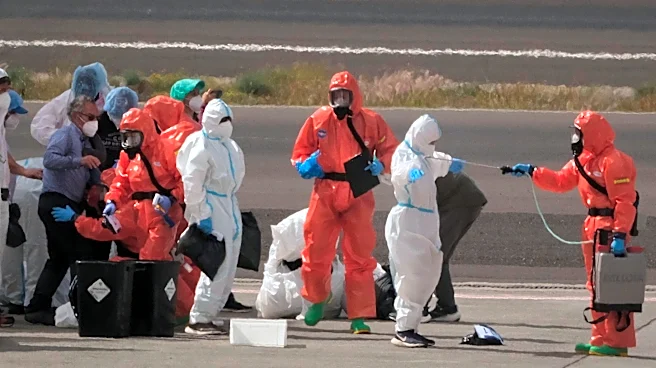
A French woman is critically ill with hantavirus, being treated with an artificial lung in Paris, following an outbreak on a cruise ship. The outbreak has affected 11 people, with three fatalities, including a Dutch couple believed to have contracted
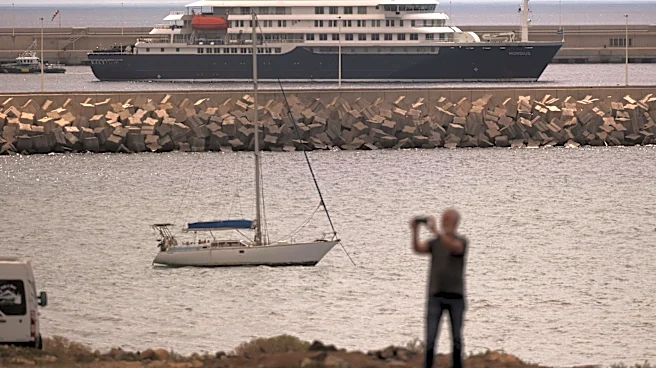
the virus in South America. The World Health Organization (WHO) has confirmed cases only among the ship's passengers and crew, with no signs of a larger outbreak. The MV Hondius is returning to the Netherlands for cleaning. Argentina is sending experts to investigate the outbreak's origin, focusing on locations visited by the infected couple.
Why It's Important?
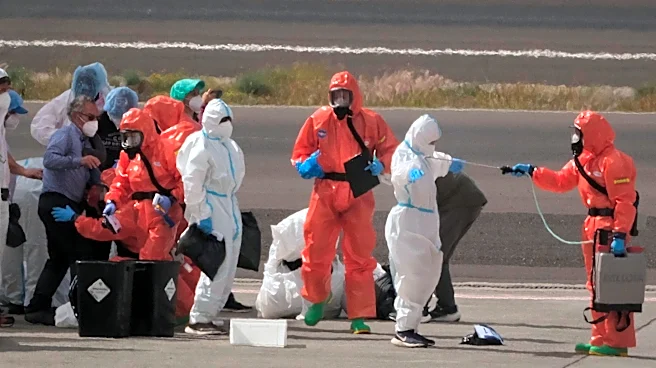
This outbreak highlights the vulnerability of cruise ships to infectious diseases and the challenges in containing such outbreaks. The use of artificial lungs and quarantine measures underscores the severity of the situation. The incident raises concerns about the safety of international travel and the effectiveness of current health protocols on cruise ships. It also emphasizes the need for rapid response and international cooperation in managing infectious disease outbreaks.
What's Next?
The WHO advises quarantine for returning passengers, and further cases may emerge due to the virus's long incubation period. The investigation by Argentine experts could provide insights into preventing future outbreaks. The cruise industry may face increased scrutiny and pressure to enhance health and safety measures. Countries receiving passengers will need to implement strict monitoring to prevent further spread.
Beyond the Headlines
The outbreak raises ethical questions about the responsibility of cruise operators in ensuring passenger safety and the transparency of health information. It also highlights the potential economic impact on the cruise industry and related sectors, as well as the psychological effects on passengers and crew subjected to quarantine and health scares.