





What's Happening?
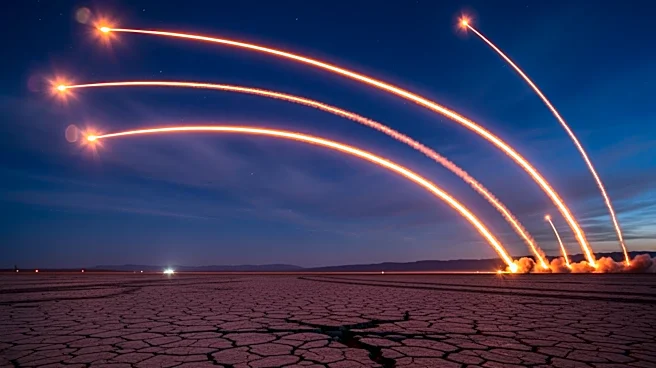
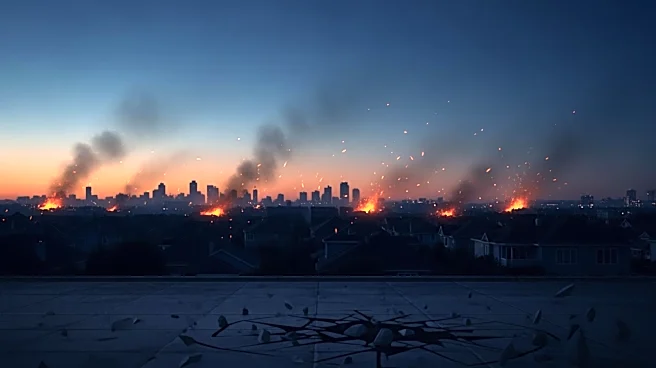
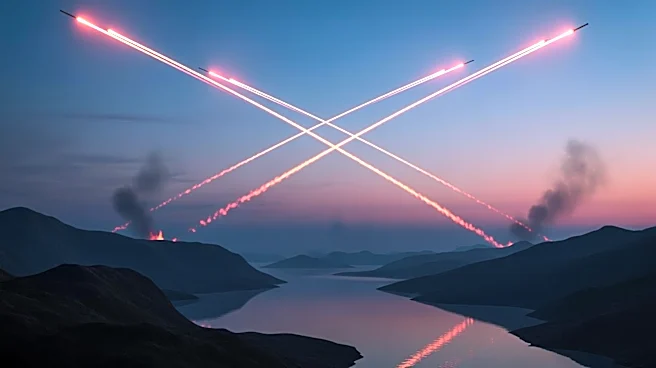
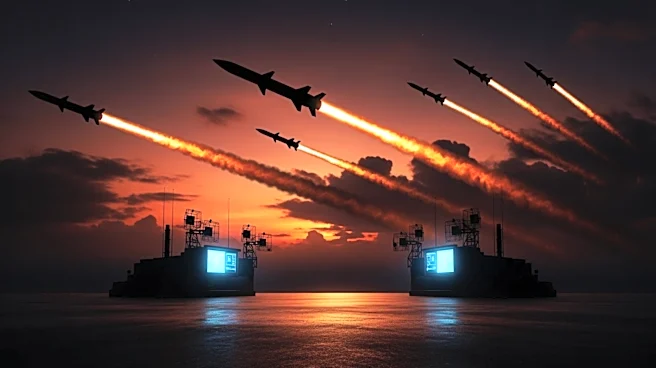
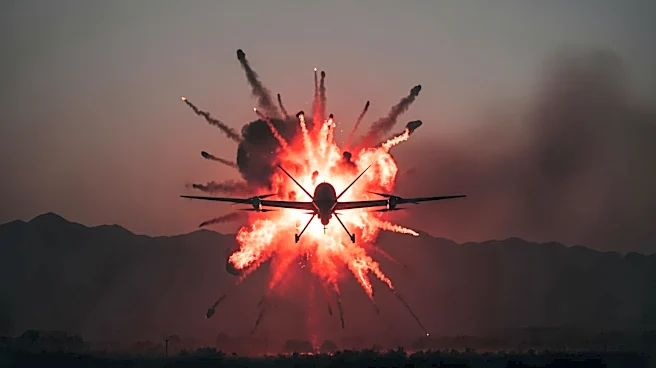
Iran has launched several missiles towards northern Israel, prompting the Israel Defense Forces (IDF) to activate defensive systems and intercept the threats. This escalation follows an Israeli strike on Hezbollah targets in Beirut, which Iran had vowed
to respond to. Sirens were heard across northern Israel, including Haifa, as the IDF prepared for potential further attacks. The Home Front Command issued directives for civilians to seek shelter and remain in protected spaces. The IDF has reinforced its defenses and is on high alert, with Chief of Staff Lt. Gen. Eyal Zamir overseeing the situation.
Why It's Important?
This missile exchange marks a significant escalation in tensions between Iran and Israel, with potential implications for regional stability. The IDF's readiness and the public's adherence to safety protocols highlight the ongoing security challenges faced by Israel. The situation could impact diplomatic relations and influence international responses, particularly from allies like the United States. The conflict underscores the fragile nature of peace in the region and the potential for broader military engagements, affecting both civilian life and geopolitical dynamics.
What's Next?
The IDF remains on high alert, with further military actions possible if tensions continue to rise. The Israeli government may seek diplomatic support from international allies to address the situation. Public safety measures, including school closures and restrictions on gatherings, are likely to remain in place as authorities assess the threat level. The international community will be closely monitoring developments, with potential calls for de-escalation and peace talks to prevent further conflict.