






What's Happening?
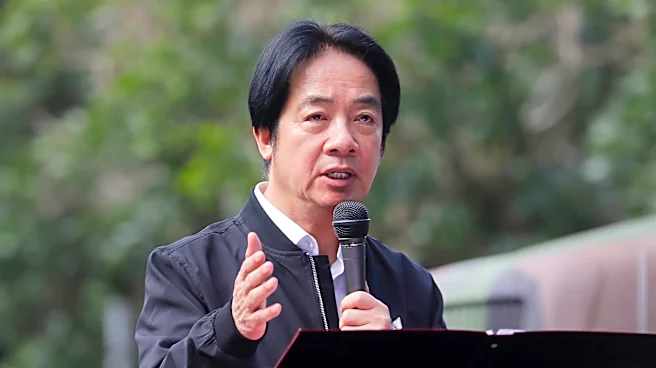
Taiwan President William Lai Ching-te has successfully visited Eswatini, despite significant efforts by China to block the trip. The visit included meetings with King Mswati III and the signing of trade agreements, underscoring Taiwan's commitment to maintaining
international relations. The trip faced logistical challenges as several African countries, under pressure from Beijing, canceled flight permits for Lai's charter plane. This diplomatic maneuver by China is part of its broader strategy to isolate Taiwan internationally, as it continues to assert that Taiwan is part of its territory.
Why It's Important?
This visit highlights the ongoing geopolitical tensions between China and Taiwan, with significant implications for international diplomacy. Taiwan's ability to maintain and strengthen its diplomatic ties, despite Chinese pressure, is crucial for its international recognition and support. The situation also reflects the broader struggle for influence in Africa, where China has been expanding its presence. For the U.S., which has pledged to support Taiwan under the Taiwan Relations Act, these developments could influence its foreign policy and defense strategies in the region.
What's Next?
Taiwan's diplomatic efforts are likely to continue facing challenges from China, which may intensify its pressure on countries that recognize Taiwan. The international community, particularly the U.S. and its allies, may need to reassess their strategies to support Taiwan's sovereignty and counter China's influence. Future engagements between Taiwan and its allies will be closely monitored, as they could set precedents for international relations in the region. The situation underscores the importance of strategic alliances and the need for a coordinated response to China's diplomatic maneuvers.