







What's Happening?
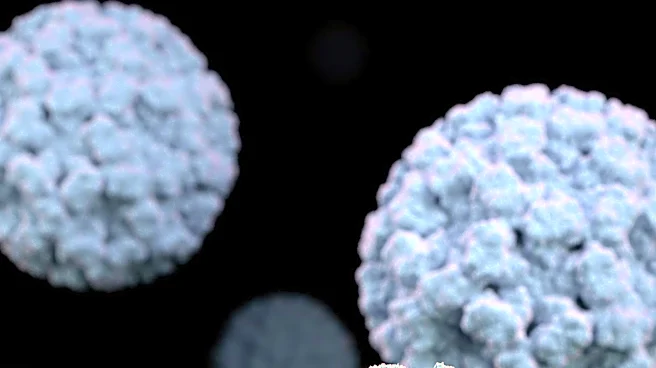
The Powassan virus, a tick-borne disease, is on the rise in the United States, particularly in the Northeast and Great Lakes regions. The virus is transmitted through the bite of infected ticks, including the groundhog, squirrel, and blacklegged ticks.
The Centers for Disease Control and Prevention (CDC) reports that cases have increased from one in 2004 to 76 in 2025, with 15 cases already reported in 2026. The virus can be contracted within 15 minutes of tick contact and can lead to severe illnesses such as encephalitis and meningitis. Symptoms range from fever and headache to more severe neurological issues. There are currently no vaccines or treatments available, and prevention relies on avoiding tick exposure.
Why It's Important?
The rise in Powassan virus cases poses a significant public health challenge, particularly as there are no available vaccines or treatments. The virus's ability to cause severe neurological conditions highlights the need for increased awareness and preventive measures. The economic impact could be substantial, affecting healthcare systems and potentially leading to increased healthcare costs. The situation underscores the importance of public health education on tick prevention and the need for research into potential vaccines or treatments. The increase in cases may also prompt policy discussions on environmental management and tick control strategies.
What's Next?
Public health officials are likely to intensify efforts to educate the public on tick prevention, including the use of insect repellents and proper clothing when in tick-prone areas. Research into vaccines and treatments for the Powassan virus may gain momentum as the need for medical interventions becomes more pressing. The CDC and other health organizations may increase surveillance and reporting of tick-borne diseases to better understand and manage the spread. Environmental and wildlife management strategies could be considered to reduce tick populations and minimize human exposure.