


What's Happening?
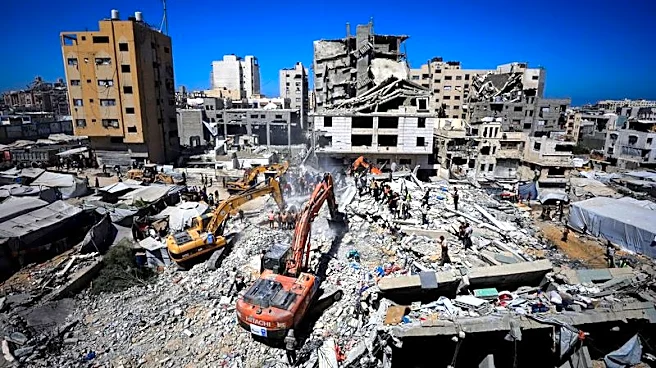
The International Media Office (IMO) of the State of Qatar has categorically rejected reports circulating in Israeli media that humanitarian aid provided by Qatar to Gaza was diverted to Hamas. The IMO stated that these allegations are false and are being
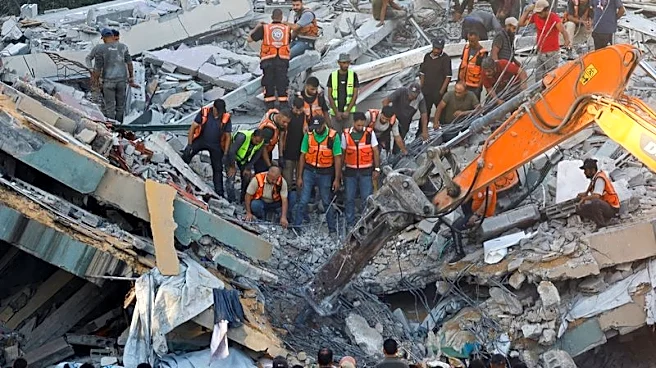
promoted by elements of Israel's far right and political figures to deflect attention from domestic political failures. Qatar clarified that its assistance has always been directed to Palestinian civilians in Gaza through mechanisms coordinated with Israeli authorities and international partners. Under previous aid mechanisms, all financial assistance, as well as goods like food, medicine, and fuel, passed through Israel before entering Gaza. Qatar emphasized that nothing was delivered directly by them; instead, the aid was provided by Qatar, and delivery was carried out by United Nations organizations in coordination with Israeli authorities. The IMO also noted that Qatar's aid has previously received public support from Israeli leaders and has been provided over many years under successive Israeli governments, with the involvement of Israel's security agencies.
Why It's Important?
This clarification from Qatar is important because it addresses accusations that could undermine critical humanitarian efforts in Gaza and impact regional diplomatic relations. The integrity of humanitarian aid delivery is paramount, especially in conflict zones where populations are highly vulnerable. False claims of aid diversion can erode trust among international donors, aid organizations, and recipient communities, potentially leading to a reduction in vital assistance. Qatar's role as a mediator and provider of humanitarian aid in the region is significant, and these allegations could jeopardize its ability to continue these efforts. The IMO's statement highlights the political motivations behind such claims, suggesting an attempt to scapegoat Qatar amidst internal Israeli political dynamics. Maintaining transparency and accountability in aid distribution is crucial for ensuring that assistance reaches those in need and for fostering stability in a volatile region.
What's Next?
Qatar has affirmed its commitment to continuing its support for Palestinians in urgent need of humanitarian assistance and remains dedicated to mediation and diplomacy as a path towards ending conflict and achieving lasting peace and security in the region. The IMO's statement indicates that Qatar will not remain silent while false claims are used for political purposes. This suggests that Qatar will likely continue to actively counter misinformation and uphold the transparency of its aid operations. International partners and UN agencies involved in aid delivery to Gaza will need to continue their coordination efforts with both Qatar and Israeli authorities to ensure that humanitarian assistance reaches its intended beneficiaries without obstruction or misrepresentation. The ongoing political climate in the region, particularly with upcoming elections in Israel, may see continued attempts to use such narratives for political gain, requiring sustained vigilance and clear communication from all parties involved in humanitarian efforts.
Beyond the Headlines
The dispute over the destination of Qatari aid to Gaza underscores the complex interplay between humanitarian action, regional politics, and media narratives. Accusations of aid diversion, even if unsubstantiated, can have a chilling effect on international efforts to alleviate suffering. This situation highlights the vulnerability of humanitarian operations to political manipulation and the need for robust verification mechanisms. The IMO's assertion that Qatar has been the target of a sustained campaign involving pro-Israel media, lobbyists, and think tanks suggests a broader geopolitical struggle where information and perception are weaponized. This dynamic can complicate diplomatic efforts and hinder the ability of neutral actors to facilitate aid and peace. The incident also brings to light the challenges of operating in a highly politicized environment where every action, including humanitarian gestures, can be interpreted through a political lens, impacting trust and cooperation among key regional and international players.