


What's Happening?
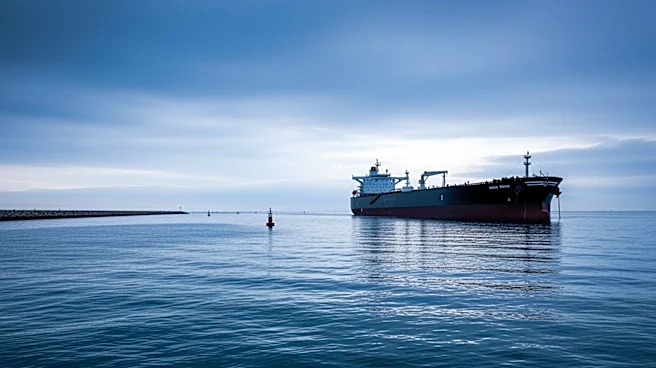
A U.S.-sanctioned supertanker carrying Iranian oil has halted its transit through the Strait of Hormuz, as the U.S. blockade on Iranian shipping intensifies. The tanker, named Yuri, was observed stopping near Larak Island after attempting to cross the strait.
This development comes amid increased tensions, with Iran reportedly strengthening its grip on the Strait of Hormuz by seizing commercial ships. The U.S. Central Command has redirected 33 vessels since the blockade began, highlighting the strategic importance of the strait as a key oil channel.
Why It's Important?
The Strait of Hormuz is a critical chokepoint for global oil transportation, and disruptions in this area can have significant implications for global oil prices and supply chains. The U.S. blockade and Iran's actions in the strait are contributing to heightened tensions in the region, affecting international trade and energy markets. The situation underscores the geopolitical complexities of the Middle East and the potential for conflict to impact global economic stability. Stakeholders in the oil industry and countries reliant on Middle Eastern oil are particularly affected by these developments.
What's Next?
The situation in the Strait of Hormuz is likely to remain tense, with potential for further confrontations between U.S. and Iranian forces. The international community will be watching closely for any diplomatic efforts to resolve the standoff. The outcome of ongoing negotiations between Iran and the U.S. could influence the future of the blockade and regional stability. Businesses and governments will need to prepare for potential disruptions in oil supply and consider alternative routes and sources.