






What's Happening?
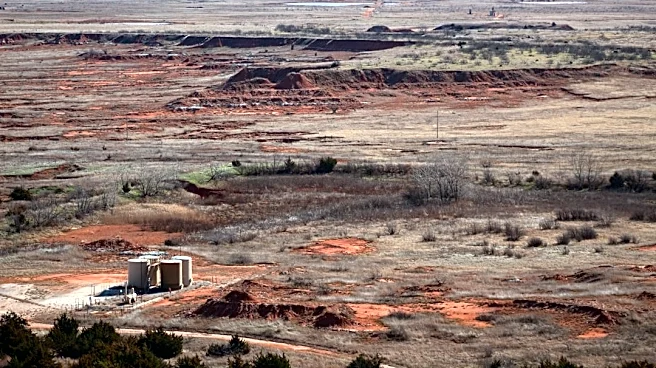
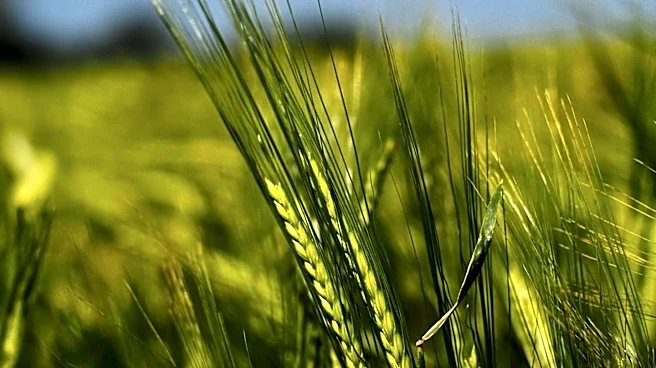
Winter wheat producers in the Southern Plains are confronting rapidly deteriorating drought conditions as they prepare for the planting season. According to Texas A&M AgriLife Extension grain economist Mark Welch, approximately 89% of the Southern Plains Climate
Hub region was experiencing some level of drought as of September 1, a significant increase from 58% just one month prior. Extreme and exceptional drought is particularly prevalent across western Oklahoma and the Texas Panhandle. This severe lack of moisture in the subsoil could significantly hinder planting, emergence, and early grazing prospects for winter wheat if rainfall remains limited. While some near-term precipitation is forecasted, the western Texas and Oklahoma Panhandles are only expected to receive light rain, which may not be sufficient to alleviate the current drought stress.
Why It's Important?
The worsening drought in the Southern Plains has critical implications for the U.S. agricultural sector, particularly for winter wheat production. The region is a major contributor to the nation's wheat supply, and poor planting conditions can lead to reduced yields and potentially higher commodity prices. Farmers face increased financial risks due to the need for additional irrigation, potential crop failure, and decreased grazing opportunities for livestock. This situation could impact the livelihoods of numerous agricultural communities and have ripple effects throughout the food supply chain. The long-term strengthening of El Niño, while offering potential for later-season moisture, introduces uncertainty, as its effects on rainfall are not guaranteed at the farm level, requiring producers to remain vigilant and adaptable.
What's Next?
Southern Plains winter wheat producers will closely monitor weather forecasts and the progression of the strengthening El Niño phenomenon. While El Niño is expected to intensify through the fall and winter, potentially becoming the strongest since 2015-16, it does not assure improved rainfall for individual farms. Producers will require timely precipitation as planting advances and winter wheat establishes itself before dormancy. Decisions regarding planting strategies, irrigation, and potential adjustments to crop insurance will be critical in the coming weeks. The agricultural community will be watching for any shifts in weather patterns that could provide much-needed moisture to mitigate the current drought's impact on the upcoming winter wheat crop.
Beyond the Headlines
The persistent drought in the Southern Plains highlights the increasing vulnerability of agricultural systems to climate variability and extreme weather events. This situation underscores the broader challenge of water resource management in arid and semi-arid regions, prompting discussions on sustainable farming practices, water conservation technologies, and drought-resistant crop varieties. The reliance on natural weather phenomena like El Niño for relief also emphasizes the need for long-term climate adaptation strategies. Furthermore, the economic strain on farmers could lead to broader socio-economic impacts in rural communities, potentially influencing land use, migration patterns, and the overall resilience of the agricultural workforce in the face of environmental challenges.