




What's Happening?
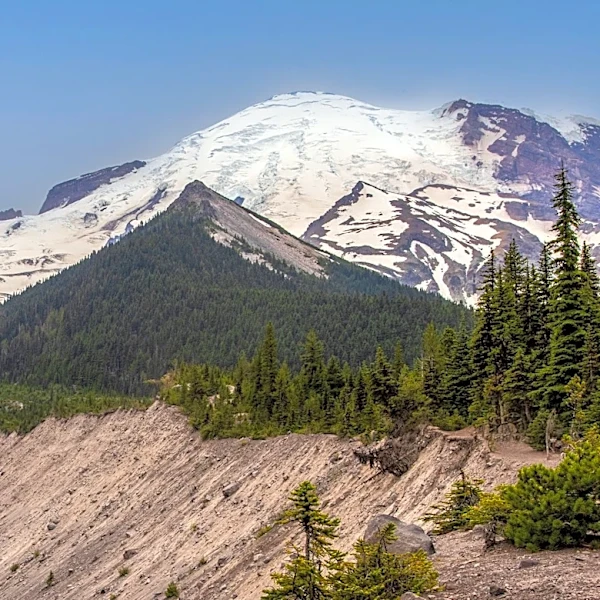
Researchers have successfully dated a significant lahar, known as the Electron Mudflow, to the summer of 1507. This lahar, originating from Mount Rainier, was a massive flow of rock and mud that traveled over 30 miles, impacting the Puget Sound region.
The study, published in the journal Geology, utilized tree ring analysis from Douglas firs to pinpoint the exact timing of the event. This method allowed scientists to establish a precise chronology of past geologic events in the Pacific Northwest. The Electron Mudflow is one of several lahars that have occurred over the past 6,000 years, with Mount Rainier's ice-capped peak making it particularly susceptible to such events. The research underscores the potential for future lahars, which could pose significant risks to the densely populated areas surrounding the volcano.
Why It's Important?
The dating of the Electron Mudflow provides critical insights into the frequency and potential triggers of lahars at Mount Rainier. This information is vital for developing accurate risk assessments and emergency preparedness plans for the region. With thousands of residents living in areas that could be affected by future lahars, understanding the historical patterns of these events can help mitigate potential disasters. The study also highlights the importance of integrating scientific research with community safety measures, as evidenced by recent evacuation drills conducted in local schools. By improving the accuracy of geological timelines, scientists can better predict and communicate the risks associated with volcanic activity, ultimately enhancing public safety and awareness.
What's Next?
The research team plans to apply their dating methodology to other geologic events in the Pacific Northwest, such as the Bonneville Landslide, which may have been triggered by an earthquake in the 15th century. This ongoing work aims to build a comprehensive chronology of past events, which could further refine predictions of future volcanic activity. Additionally, the study's findings may prompt increased attention to the threat of lahars, encouraging local governments and communities to strengthen their disaster preparedness and response strategies. As the region continues to develop, maintaining awareness of these natural hazards will be crucial for minimizing potential impacts on human life and infrastructure.
Beyond the Headlines
The study of the Electron Mudflow not only advances scientific understanding of Mount Rainier's volcanic history but also raises awareness of the broader implications of living near active volcanoes. The research highlights the challenges of communicating long-term geological risks to the public, as institutional memory of past events can fade over time. By providing concrete evidence of historical lahars, scientists hope to foster a greater appreciation for the dynamic nature of the region's landscape and the need for ongoing vigilance. This work also underscores the importance of interdisciplinary collaboration, combining geology, archaeology, and community engagement to address complex environmental challenges.