






What's Happening?
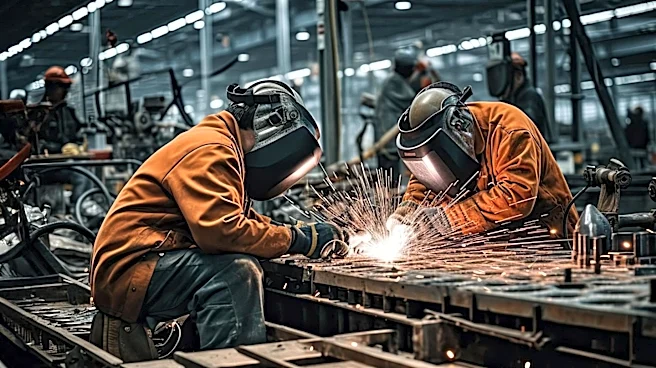
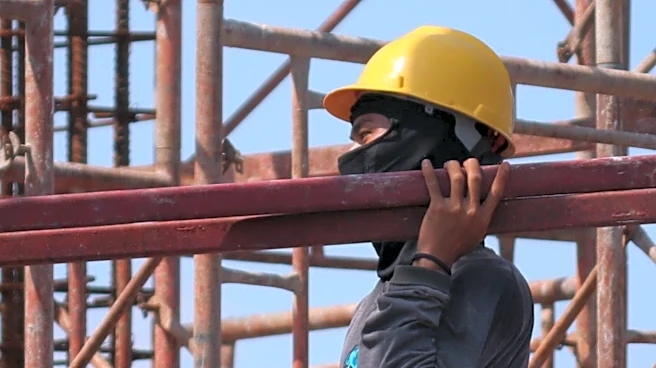
The United States is currently experiencing a significant deficit of nearly 1.9 million skilled trades workers, a shortage that equates to almost one in five individuals employed in these professions today. This labor gap is imposing an economic burden
of approximately $1.2 billion per day on the U.S. economy, according to a study released by Bring Back the Trades. The research, sponsored by F.W. Webb Company and Cintas Corporation, utilized U.S. Bureau of Labor Statistics data analyzed by Parker Strategy Group. This updated study expands upon a previous report from February, which identified a shortage of nearly 1.4 million workers across seven core trades. The new analysis incorporates 14 additional trades, bringing the total to 21 trades that collectively employ 10.1 million people. These newly added trades span infrastructure and industrial sectors, including brickmasons, power-line installers, truck drivers, machinists, painters, and roofers, as well as personal care and safety trades such as cosmetologists, dental hygienists, EMTs, firefighters, massage therapists, occupational health and safety specialists, physical therapist assistants, and veterinary technicians. The largest individual shortage is among truck drivers, with over 241,000 unfilled positions.
Why It's Important?
This severe shortage of skilled trades workers has profound implications for the U.S. economy and national infrastructure. The daily cost of $1.2 billion underscores the immediate financial impact, which is projected to result in over $432 billion in lost gross domestic product, 3.7 million jobs, and $95 billion in tax revenue annually through 2030 across all 21 trades. The deficit affects critical services and industries, from freight transportation and power restoration to healthcare and emergency response. The aging workforce is a primary driver of this issue, with industry estimates indicating that only two new workers enter the trades for every five who retire. This demographic trend creates a persistent and growing gap that threatens the nation's ability to maintain and expand its infrastructure, deliver essential services, and support economic growth. States across the country are feeling the impact, with 48 states expected to lose more than $1 billion annually, led by California, Texas, and Florida. The lack of skilled labor can lead to project delays, increased costs, and a decline in the quality of services, ultimately hindering economic competitiveness and public well-being.
What's Next?
Addressing the skilled trades worker shortage will require concerted efforts to attract and train a new generation of professionals. Organizations like Bring Back the Trades are working to change public perception of trade careers and provide education, research, scholarships, and tool grants. The study highlights the need for increased awareness of the career opportunities and competitive pay available in these fields. Educational institutions and vocational programs will play a crucial role in preparing individuals for these in-demand occupations. Furthermore, businesses and industry leaders are expected to collaborate with educational bodies and non-profits to develop effective training pipelines and apprenticeship programs. The ongoing retirement of experienced workers means that the demand for new entrants will continue to be high, necessitating sustained investment in workforce development initiatives. The economic consequences outlined in the study provide a strong impetus for policymakers and industry stakeholders to prioritize solutions to this critical labor challenge.
Beyond the Headlines
The skilled trades shortage extends beyond immediate economic costs, touching upon broader societal and cultural perceptions of vocational education. For decades, there has been a societal emphasis on four-year college degrees as the primary path to success, often overshadowing the value and opportunities within skilled trades. This cultural bias has contributed to the declining interest in vocational careers among younger generations. The current crisis highlights the need for a re-evaluation of educational pathways and a greater appreciation for the essential role skilled trades play in maintaining modern society. Furthermore, the issue raises questions about the long-term sustainability of infrastructure development and maintenance in the U.S. without a robust and continuously replenished skilled workforce. The problem also presents an opportunity for individuals seeking stable, well-paying careers, as the demand for these skills is high and projected to remain so. Addressing this challenge requires not only financial investment but also a fundamental shift in how society values and promotes vocational training and careers.