






What's Happening?
The Lux Collective, a global hospitality group, has entered into a strategic partnership with Cleo Capital Group Ltd to develop an ultra-luxury tourism circuit across Rwanda. This collaboration was formalized during the Africa CEO Forum 2026 in Kigali
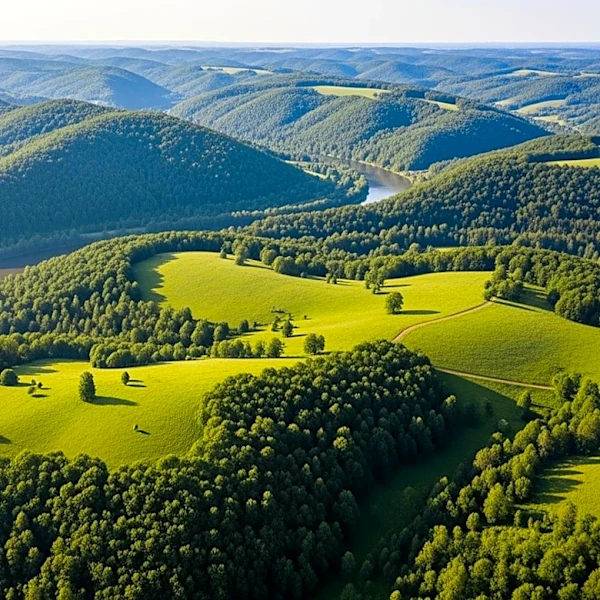
and marks The Lux Collective's first venture into Rwanda. The project will introduce internationally acclaimed brands LUX* and SALT to the country through a transformative multi-property initiative comprising five resorts. The tourism circuit will span four of Rwanda's most celebrated destinations: Lake Kivu, Akagera National Park, Volcanoes National Park, and Nyungwe National Park. Phase 1, set to launch in mid-2026, involves rebranding existing properties, while Phase 2 will see the opening of three new greenfield developments by 2028. The initiative is guided by strong ESG principles, focusing on regenerative development, sustainable construction, renewable energy, water conservation, biodiversity protection, and community empowerment.
Why It's Important?
This partnership is significant for Rwanda's tourism sector, as it positions the country as a leading sustainable ultra-luxury tourism destination in Africa. The project aims to generate long-term economic and social impact by integrating local sourcing, women entrepreneurship programs, skills development, and conservation partnerships. By introducing globally recognized luxury brands, Rwanda can attract high-end tourists, boosting the local economy and creating job opportunities. The focus on sustainability and community empowerment aligns with Rwanda's vision for sustainable tourism, enhancing the country's international recognition and appeal as a travel destination.
What's Next?
The Lux Collective and Cleo Capital Group will proceed with the rebranding of existing properties and the development of new resorts as planned. Stakeholders, including local communities and conservation groups, are likely to engage with the project to ensure its alignment with environmental and social goals. The success of this initiative could inspire similar projects in other African countries, further promoting sustainable tourism across the continent. As the project progresses, monitoring its impact on local biodiversity and communities will be crucial to maintaining its sustainability credentials.