





What's Happening?
The National Weather Service (NWS) has issued Red Flag Warnings across five states, including Colorado, Utah, Arizona, Montana, and North Dakota, due to dangerous wildfire conditions. These warnings indicate that critical wildfire conditions are either
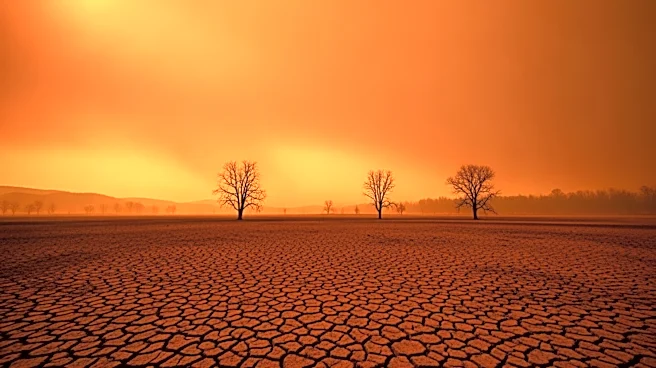
occurring or expected within the next 24 hours. The combination of strong winds, extremely dry air, and parched vegetation is creating an environment where even a small spark could rapidly escalate into a fast-moving wildfire. In Colorado, the warnings cover the southwest part of the state and Paradox Valley, while in Utah, they affect the Uinta Basin, Book Cliffs, and Grand Staircase regions. Northern and northeastern Arizona, northeastern Montana, and far western North Dakota are also under these warnings. The NWS emphasizes that these alerts are a call to action, urging residents to avoid activities that could spark a fire.
Why It's Important?
The issuance of Red Flag Warnings highlights the increasing risk of wildfires in the affected regions, posing significant threats to public safety, homes, and infrastructure. The conditions under these warnings can lead to fires that spread rapidly and are difficult to control, necessitating increased readiness and response from fire agencies. The warnings serve as a critical reminder of the importance of fire prevention measures, especially as hot, dry, and windy weather patterns become more common. The potential for large-scale wildfires could have severe economic and environmental impacts, affecting local communities and ecosystems. Residents are advised to stay informed and take precautions to prevent accidental fires.
What's Next?
As the Red Flag Warnings remain in effect, fire agencies are likely to increase staffing and prepare for rapid response to any fire outbreaks. Residents in the affected areas are encouraged to stay updated with local alerts and adhere to fire restrictions. The NWS and fire officials will continue to monitor weather conditions and provide updates as necessary. The focus will be on preventing fires from starting and ensuring that any incidents are quickly contained to minimize damage and risk to public safety.