



What's Happening?
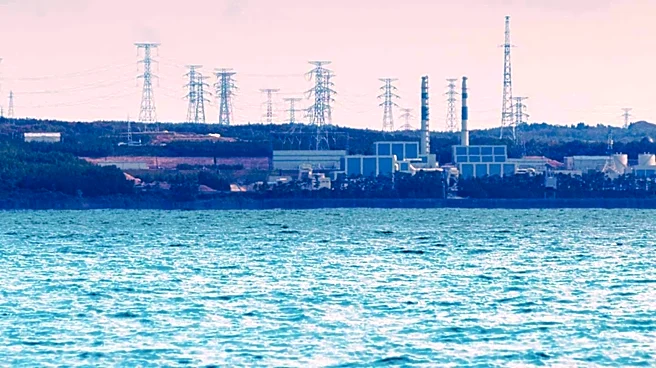
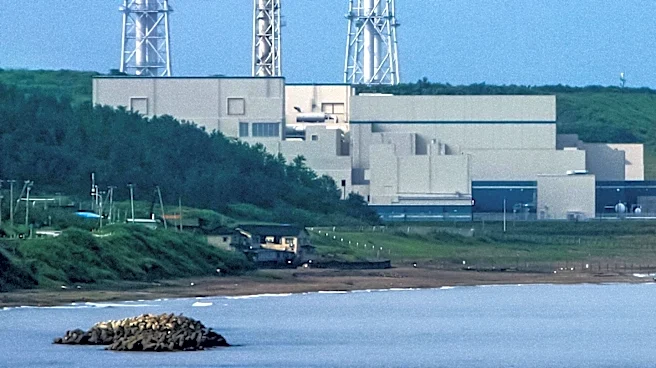
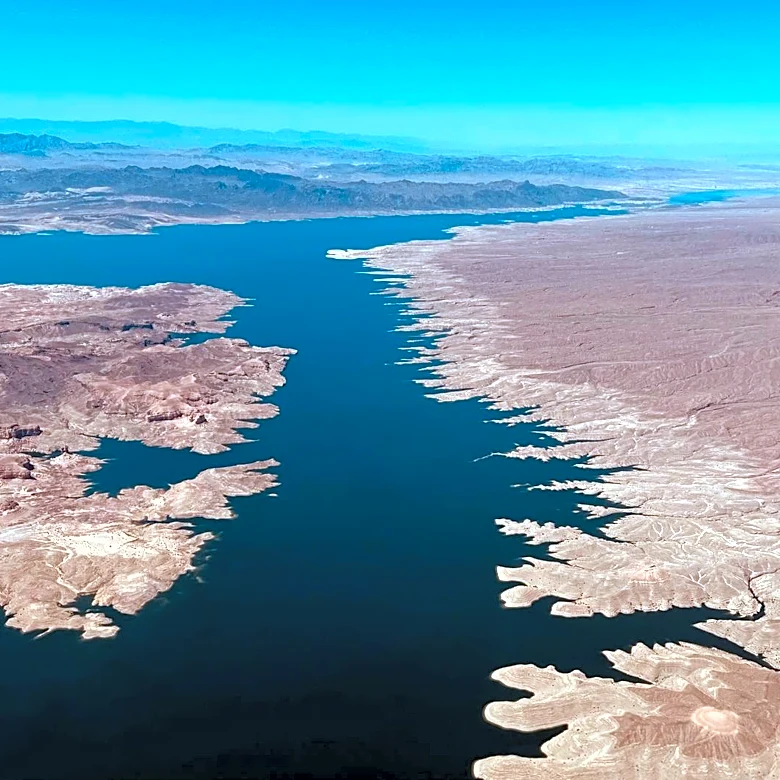
Hungary's Paks Nuclear Power Plant is set to shut down for the first time in its history due to unprecedented low water levels in the Danube River. Prime Minister Péter Magyar announced that the plant, which relies on the river for cooling its reactors,
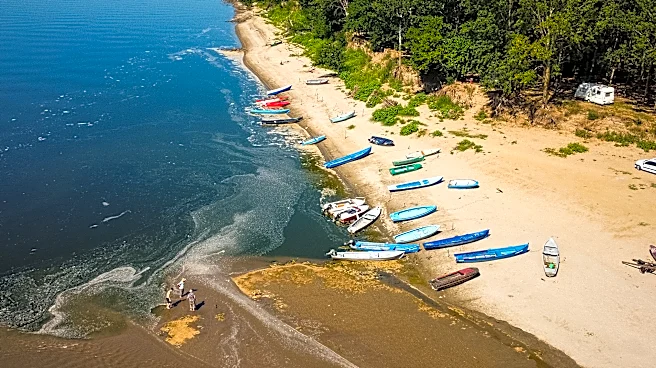
is operating at less than half its capacity. The plant's output has been reduced to 965 megawatts from the usual 2,000, and further reductions are expected. The shutdown is a response to the prolonged drought affecting Central Europe, which has disrupted various sectors, including tourism and agriculture. The government has requested large energy consumers to voluntarily reduce their consumption to stabilize the energy supply.
Why It's Important?
The shutdown of the Paks Nuclear Power Plant highlights the vulnerability of energy infrastructure to climate-related changes. As Hungary's only nuclear facility, it accounts for nearly half of the country's electricity production. The plant's closure could lead to energy shortages, affecting industries and households. This situation underscores the broader challenges posed by climate change, as extreme weather patterns increasingly impact critical infrastructure. The government's call for energy conservation reflects the urgent need to adapt to these changes and ensure energy security. The event also raises questions about the sustainability of relying on natural resources for energy production in the face of environmental shifts.
What's Next?
The Hungarian government is taking steps to mitigate the impact of the plant's shutdown. Large companies have been asked to reduce energy consumption, and state institutions are ordered to turn off decorative lighting. These measures aim to conserve energy and manage demand during peak hours. The situation may prompt a reevaluation of Hungary's energy strategy, potentially accelerating the transition to more sustainable and resilient energy sources. As the Danube's water levels are not expected to rise soon, the government may need to explore alternative cooling methods or diversify its energy portfolio to prevent future disruptions.