
What's Happening?
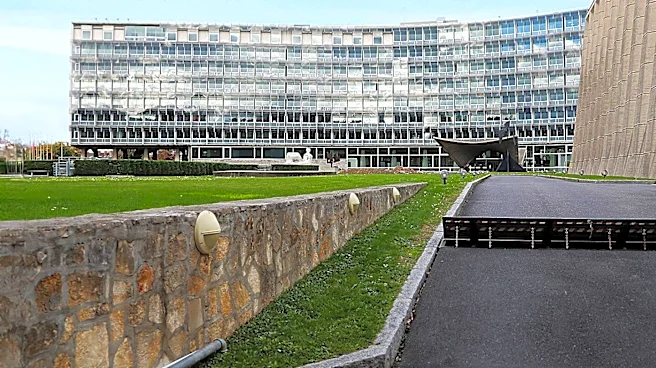
Mexico is actively developing a 'Protocol for the Repatriation and Recovery of Cultural Goods' to systematize the process of recovering cultural property. This initiative, supported by UNESCO and the Ministry
of Foreign Affairs (SRE), involves workshops with specialists from the National Institute of Anthropology and History (INAH) and its regional centers. The second workshop, held on November 4, 2026, at the National Museum of History in Mexico City, focused on the legal framework, action strategies, and the public registry of cultural property. José Luis Perea González, Technical Secretary of INAH, emphasized the need for global protocols to combat illicit trafficking and preserve cultural heritage. Carlos Tejada, National Officer for Culture at UNESCO in Mexico, highlighted Mexico's commitment to a defined state policy against illicit trafficking, aligning it with international cooperation efforts such as the UNESCO World Conference on Cultural Policies and Sustainable Development (MONDIACULT), the Pact for the Future, and G20 outcome documents. The protocol is designed as a dynamic document, adaptable to evolving challenges and international regulations.
Why It's Important?
This protocol is crucial for Mexico's efforts to protect its rich cultural heritage from illicit trafficking, a significant issue in international cooperation. By establishing clear guidelines for repatriation and recovery, Mexico aims to strengthen its legal and operational framework, ensuring the return of cultural artifacts to their rightful place. This initiative also supports the cultural rights of Indigenous and Afro-Mexican Peoples by facilitating the recognition and conservation of their heritage, often housed in community museums and churches. The alignment with international frameworks like the Pact for the Future and G20 documents underscores Mexico's role in global efforts to combat cultural property crime. The development of such a protocol can serve as a model for other nations facing similar challenges, promoting a more coordinated international approach to cultural heritage protection and restitution.
What's Next?
The 'Protocol for the Repatriation and Recovery of Cultural Goods' is a living document that will undergo continuous updates to adapt to new challenges and international regulations. Future steps will likely involve further workshops and consultations to refine the document and ensure its comprehensive implementation. The protocol will address various scenarios, including cases where Mexican cultural goods are located abroad due to sales, auctions, seizures, or confiscations, requiring coordinated institutional action. Mexico is expected to continue its collaboration with international bodies like UNESCO and its Ministry of Foreign Affairs to strengthen its capacity in this area. The success of this protocol could lead to increased repatriations of Mexican cultural heritage, reinforcing national identity and cultural preservation efforts.
Beyond the Headlines
The development of this protocol extends beyond mere legal frameworks; it touches upon profound ethical and cultural dimensions. The illicit trafficking of cultural goods often involves the dispossession of communities from their heritage, severing ties to their history and identity. By actively pursuing repatriation, Mexico is not only reclaiming artifacts but also affirming the cultural sovereignty of its diverse populations. This initiative highlights a growing global awareness of the importance of cultural restitution as a matter of justice and human rights. The protocol's emphasis on a dynamic, adaptable approach acknowledges the complex and evolving nature of cultural property disputes, suggesting a long-term commitment to safeguarding heritage in an increasingly interconnected world. This effort could also foster greater international dialogue and cooperation on ethical collecting practices and the shared responsibility of preserving global cultural heritage.