



What's Happening?
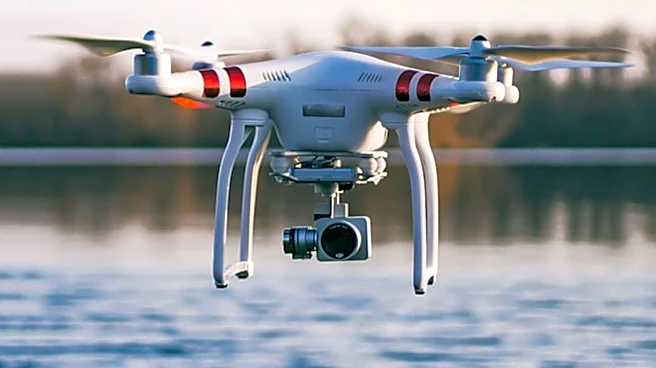
According to an August 17 report by NBC News, Russia is providing explosives and other military goods to Iran to help replenish its arsenals. This aid includes TNT explosive material, unspecified ammunition, and drone components, which are being shipped
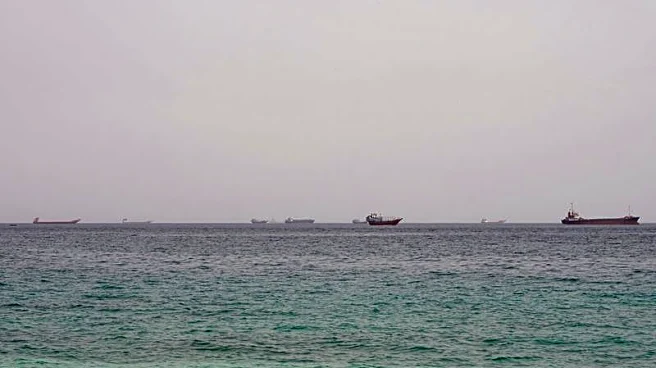
via the Caspian Sea. The report cites a European government document verified by a Western official, based on information from the previous month. The cargo is reportedly delivered to Amirabad port in northern Iran using over two dozen vessels owned by the Russian company MG-FLOT, which is based in Russia’s Dagestan region and is currently under Western sanctions. This development follows a pattern of military cooperation between Russia and Iran, where MG-FLOT has been involved in transporting arms between the two nations since 2022, initially supplying Russia with Iranian weapons such as Shahed-136 and Shahed-131 drones.
Why It's Important?
This Russian military aid to Iran has significant implications for U.S. interests and regional stability. The provision of explosives and drone components could enable Iran to enhance its military capabilities, potentially escalating conflicts in the Middle East. The report suggests that Iran could use the supplied TNT to fill warheads for ballistic missiles and drones, replacing munitions expended in conflicts with the United States and Israel. This assistance allows Russia to gain leverage against Washington for its support of Ukraine and contributes to keeping the United States engaged in the Middle East. Furthermore, the ongoing conflict in the Gulf has reportedly increased prices for Russian oil and other commodity exports, benefiting the Kremlin's budget, while simultaneously draining U.S. stocks of critical munitions, such as Patriot air defense missiles, which are also needed by Ukraine.
What's Next?
The continued military cooperation between Russia and Iran suggests a potential for further destabilization in the Middle East. As Iran rearms, there is an increased risk of future conflicts with the United States and Israel. The flow of advanced military components, such as 'Kometa'-series controlled reception pattern antennas for drones, could enhance Iran's ability to resist jamming of satellite navigation, making its drone attacks more effective. Western intelligence analysts already suspect Iran used 'Russian-enhanced' Shaheds in a strike on the CIA station in Riyadh in March. The potential for Iran to receive Russian missiles and advanced air defense systems, as well as the ongoing discussions about the transfer of Su-35 fighter jets, indicates a deepening military alliance that could significantly alter the regional power balance and pose ongoing challenges to U.S. security objectives.
Beyond the Headlines
The deepening military ties between Russia and Iran extend beyond immediate tactical advantages, reflecting a broader geopolitical realignment. Russia's support for Iran can be seen as a strategic move to counter Western influence and create a multi-polar world order. By bolstering Iran's military capabilities, Russia not only gains a proxy in the Middle East but also diverts U.S. resources and attention from other critical areas, such as the conflict in Ukraine. This collaboration also highlights the limitations of Western sanctions, as companies like MG-FLOT continue to operate and facilitate arms transfers despite being under sanctions. The long-term implications include a more emboldened Iran, potentially leading to increased regional aggression and a more complex security environment for the United States and its allies. The ethical dimension of supplying weapons to a regime that has been accused of destabilizing the region and targeting U.S. forces also raises significant concerns.