






What's Happening?
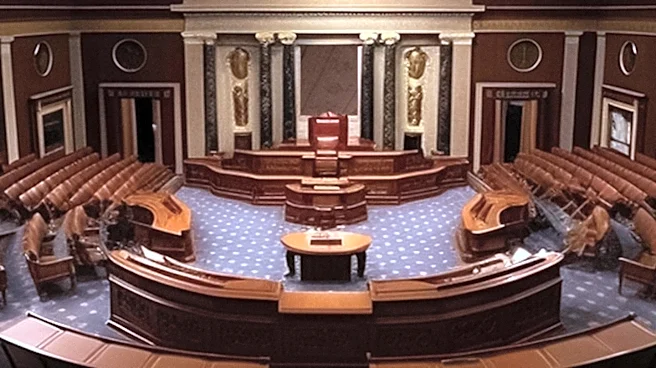
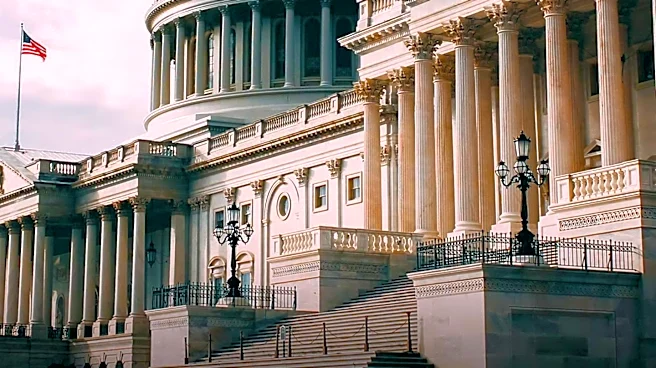
The House Committee on Veterans Affairs has issued subpoenas to Oracle leaders, Larry Ellison, chairman and founder, and Mike Sicilia, CEO, demanding their appearance to address a significant increase in a government contract. The contract, related to the Electronic
Health Record Modernization program, saw its ceiling rise from $10 billion to $27 billion through a no-bid modification. Committee Chair Mike Bost (R-Illinois) and Ranking Member Mark Takano (D-California) are seeking answers regarding the additional $17 billion required for the program, especially after Sicilia reportedly assured Congress in 2022 that Oracle would cover system repair costs. Ellison is scheduled to appear under oath on December 10, and Sicilia on November 19. Lawmakers from both parties have expressed concerns over the program's delays, technical failures, and patient safety issues affecting veterans.
Why It's Important?
This subpoena highlights significant concerns regarding government contract oversight and the financial accountability of major technology companies involved in critical public services. The $17 billion increase in the Oracle contract for the Veterans Affairs' Electronic Health Record Modernization program raises questions about fiscal responsibility and the transparency of no-bid modifications. This issue directly impacts U.S. taxpayers, who bear the cost of such increases, and veterans, who rely on the effective implementation of this health record system for their care. Delays and technical failures in the program could compromise patient safety and hinder the quality of healthcare provided to veterans. The committee's action underscores the importance of congressional oversight in ensuring that large-scale government projects are managed efficiently and ethically, with clear accountability for cost overruns and performance issues.
What's Next?
Larry Ellison and Mike Sicilia are expected to appear before the House VA Committee on December 10 and November 19, respectively, to provide sworn testimony regarding the contract increase. Their testimonies will be crucial in shedding light on the reasons behind the $17 billion escalation and Oracle's commitments to fixing the system. The committee will likely press for detailed explanations of how the additional funds will be utilized and what veterans will receive in return for the tripled contract ceiling. Depending on the information provided, the committee may pursue further investigations, recommend policy changes for government contracting, or impose stricter oversight measures on the Electronic Health Record Modernization program. The outcome could also influence future government contracts with technology firms, emphasizing greater transparency and accountability.
Beyond the Headlines
The controversy surrounding Oracle's contract with the Department of Veterans Affairs extends beyond financial figures, touching upon the ethical dimensions of corporate influence in government procurement. Ranking Member Mark Takano's allegations regarding political contributions preceding contract amendments suggest a deeper concern about potential quid pro quo arrangements and the integrity of the contracting process. This situation raises broader questions about the balance of power between large corporations and government agencies, and the mechanisms in place to prevent undue influence. The implications could lead to a re-evaluation of how no-bid contracts are awarded and modified, potentially leading to reforms aimed at increasing transparency and reducing the risk of corruption. Ultimately, this event could shape public perception of corporate responsibility in public service and the robustness of congressional oversight in safeguarding taxpayer interests and veteran welfare.