






What's Happening?
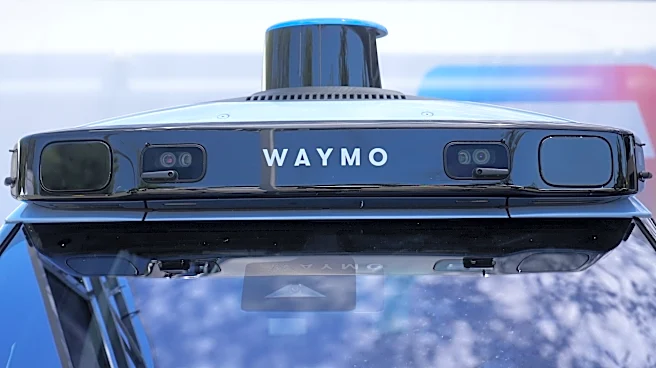
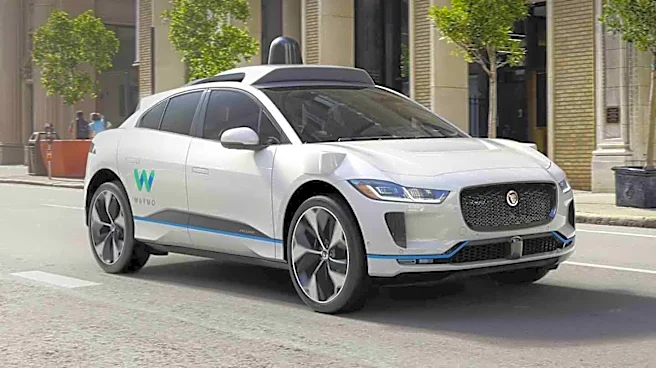
Autonomous vehicle company Waymo has suspended freeway access for its entire fleet across the United States. This decision comes after the California Department of Motor Vehicles (DMV) issued a safety notice on November 11, citing several incidents involving
Waymo vehicles in the San Francisco Bay Area. According to reports, a small number of Waymo cabs entered restricted construction zones on U.S. Route 101 despite clear closures, and another vehicle reportedly impeded California Highway Patrol on Highway 280. The California DMV deemed these "recurring incursions" an "imminent hazard to public safety" and banned self-driving taxis from state freeways until Waymo implements "effective corrective actions." In response, Waymo, owned by Alphabet (Google's parent company), temporarily restricted freeway operations in all its markets to evaluate its performance. The company's ride-hailing service continues to operate safely on surface streets, serving over half a million trips weekly.
Why It's Important?
This suspension by Waymo, a leading autonomous vehicle developer, highlights ongoing challenges and regulatory scrutiny within the self-driving car industry. The California DMV's intervention underscores the critical importance of public safety and the need for autonomous systems to reliably navigate complex and dynamic road conditions, such as construction zones and interactions with emergency services. For Waymo, this incident could impact its expansion plans and public trust, especially as it recently announced new markets in Denver, San Diego, and Tampa. The broader autonomous vehicle sector will likely face increased pressure to demonstrate robust safety protocols and transparently address incidents, potentially influencing regulatory frameworks and consumer adoption rates across the U.S. The ability of these vehicles to operate safely on freeways is a key step toward widespread integration into transportation networks.
What's Next?
Waymo is currently working with the California DMV and other state officials to address the identified safety concerns and aims to resume freeway operations. The company will need to implement and demonstrate "effective corrective actions" to satisfy regulatory requirements. This process will likely involve detailed investigations into the incidents, potential software updates, and enhanced training or operational protocols for its autonomous fleet. The outcome of these discussions and Waymo's subsequent actions will be closely watched by other autonomous vehicle companies and regulatory bodies nationwide. Depending on the duration of the suspension and the nature of the required fixes, there could be delays in Waymo's planned expansions and a re-evaluation of its deployment strategies in various U.S. cities. The company's ability to quickly and effectively resolve these issues will be crucial for maintaining its market position and public confidence.
Beyond the Headlines
The incidents involving Waymo vehicles raise deeper questions about the readiness of autonomous technology for widespread deployment, particularly in complex environments like freeways. While Waymo emphasizes its "safety-first principles," these events highlight the unpredictable nature of real-world driving scenarios and the challenges of programming vehicles to react appropriately to every unforeseen circumstance. The public's perception of autonomous vehicles is heavily influenced by such incidents, potentially leading to increased skepticism or calls for more stringent regulations. This situation also underscores the evolving relationship between technology companies and government regulators, as they navigate the balance between fostering innovation and ensuring public safety. The long-term implications could include a more cautious approach to autonomous vehicle rollout, increased collaboration between developers and traffic management authorities, and a greater emphasis on transparency regarding incident reporting and resolution within the industry.