










What's Happening?
Volkswagen is facing significant protests across Germany as it proposes to cut up to 100,000 jobs and close several factories. The influential union IG Metall has organized demonstrations at 18 sites, including Volkswagen's headquarters, in response to the
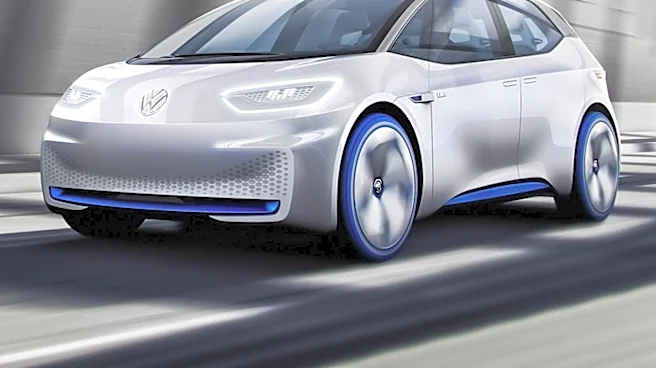
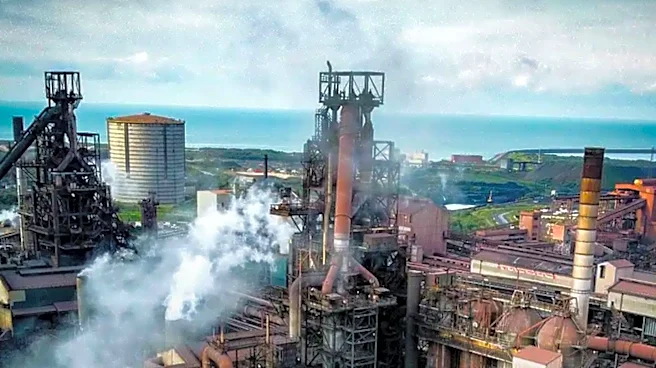
company's radical transformation plan. This plan, driven by the need to compete with Chinese manufacturers and transition to electric vehicles, includes potential closures of plants in Hanover, Emden, Zwickau, and Neckarsulm. The proposal is set to be reviewed by Volkswagen's supervisory board, which includes company representatives, union members, and local politicians.
Why It's Important?
The proposed job cuts and factory closures at Volkswagen highlight the challenges faced by traditional car manufacturers in adapting to the electric vehicle market. This situation underscores the broader economic impact on Germany's automotive industry, which employs millions directly and indirectly. The outcome of Volkswagen's board meeting could set a precedent for other carmakers facing similar pressures. The protests reflect the tension between corporate restructuring and labor rights, with potential implications for Germany's economic stability and labor market.
What's Next?
If Volkswagen's board approves the proposals, months of negotiations with unions are expected. The outcome could influence labor relations and corporate strategies within the automotive industry. The potential plant closures, particularly those not protected by the Volkswagen Act, may lead to further protests and strikes. The company's decisions will be closely watched by industry stakeholders and could impact future policies on labor rights and industrial restructuring in Germany.