




What's Happening?
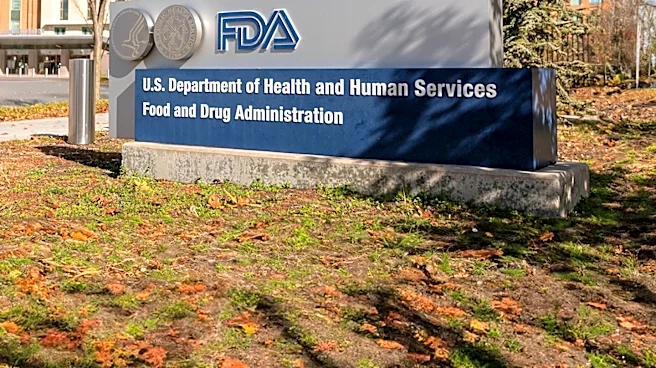
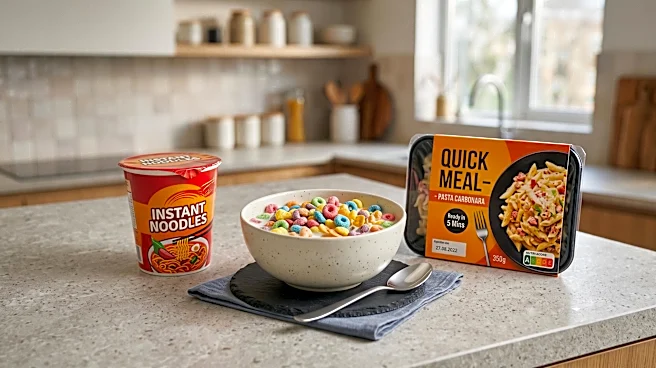
The Vegetarian Resource Group (VRG) has submitted comments to the U.S. Department of Agriculture (USDA) and the Food and Drug Administration (FDA) regarding the development of a definition for 'ultra-processed' foods. The organization emphasized the importance
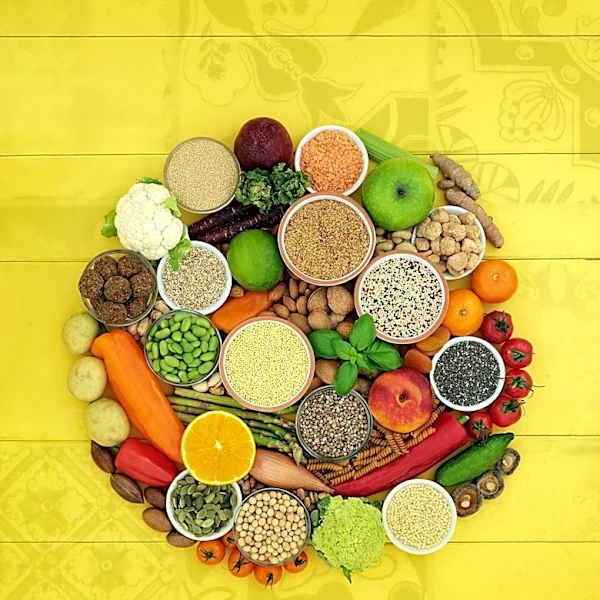
of an accurate definition based on scientific papers. Additionally, a correspondent, Nick K., encouraged the USDA, FDA, and Congress to eliminate all subsidies to animal industries in the upcoming Farm Bill. This move, according to Nick K., would likely make animal products more expensive, potentially leading more people to adopt vegetarian diets out of economic necessity. The VRG also addressed consumer inquiries, including requests for sources of cloth vegan belts and recommendations for vegan kibble brands for dogs, suggesting llbean.com for belts and Wild Earth, Halo, and Petaluma for dog food.
Why It's Important?
The VRG's engagement with the USDA and FDA on defining ultra-processed foods is significant because a clear, scientifically-backed definition could influence dietary guidelines, public health campaigns, and food labeling regulations. This could empower consumers to make more informed choices about their food and potentially lead to a reduction in the consumption of less healthy processed items. The call to eliminate animal industry subsidies in the Farm Bill represents a substantial policy proposal that could reshape the agricultural landscape and food economy. If implemented, it could significantly alter the cost of animal products, potentially driving a shift towards plant-based diets and impacting the profitability of conventional livestock farming. This would have broad implications for farmers, food manufacturers, and consumers, potentially leading to a more sustainable and plant-centric food system.
What's Next?
The USDA and FDA will consider public comments, including those from the VRG, as they work to establish a definition for ultra-processed foods. The timeline for this definition's finalization is not specified, but it will likely involve further review and potential public discourse. Concurrently, the debate around the next Farm Bill will continue, with advocates like Nick K. pushing for the elimination of animal industry subsidies. This legislative process will involve extensive discussions in Congress, lobbying efforts from various agricultural and food industry stakeholders, and public advocacy. The outcome of these discussions will determine the future of agricultural subsidies and could significantly impact the economic viability of different food production sectors. Consumers can expect ongoing discussions about food labeling and agricultural policy in the coming months and years.
Beyond the Headlines
The VRG's advocacy highlights a broader societal trend towards greater scrutiny of food processing and the environmental and ethical implications of food production. The push for a clear definition of ultra-processed foods reflects growing consumer awareness and demand for transparency in the food supply chain. Furthermore, the call to end animal industry subsidies touches upon fundamental questions about government intervention in markets, the true cost of food, and the environmental footprint of different dietary choices. This debate extends beyond mere economics, encompassing ethical considerations regarding animal welfare and the long-term sustainability of global food systems. The potential shift in food prices due to subsidy changes could also exacerbate food insecurity for some populations, necessitating careful policy considerations to ensure equitable access to nutritious food.