







What's Happening?
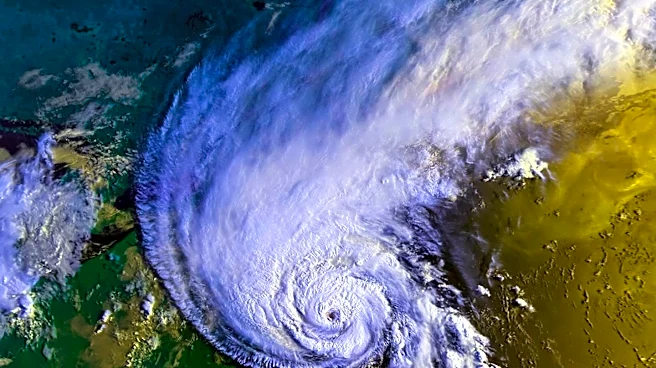
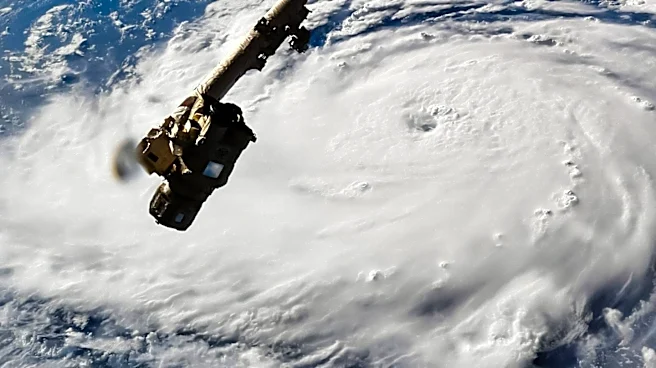
A new study published in the journal PLOS Water suggests that technology may soon enable humans to disrupt or steer natural disasters like hurricanes. The study proposes using cloud seeding, a decades-old weather modification technique, enhanced with
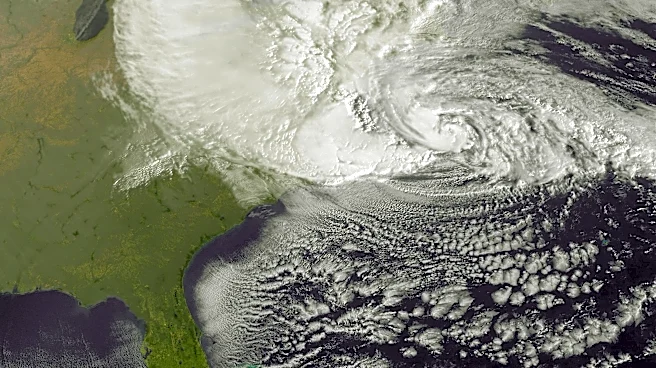
high-tech data and analysis to potentially alter the course of severe weather events. The authors argue that traditional methods such as dams and levees may not suffice to mitigate the impacts of extreme weather, and that innovative approaches are necessary. The study highlights past instances where cloud seeding could have potentially altered the paths of significant weather events, such as Superstorm Sandy in 2012. However, the proposal is met with skepticism from some scientists who question the feasibility and ethical implications of such interventions.
Why It's Important?
The proposal to steer hurricanes using cloud seeding could have significant implications for disaster management and climate adaptation strategies. If successful, this approach could protect densely populated areas from devastating weather events, potentially saving lives and reducing economic losses. However, the ethical and legal challenges of redirecting natural disasters pose significant hurdles. Critics argue that altering the path of a hurricane could inadvertently place other regions at risk, raising questions about the morality of such interventions. Additionally, the scientific community remains divided on the effectiveness of cloud seeding in modifying large-scale weather systems, highlighting the need for further research and technological advancements.
What's Next?
The study's authors emphasize the need for continued research to develop the necessary science and engineering capabilities to implement their proposal. They acknowledge the ethical and control issues involved but are currently focused on advancing the scientific understanding of weather modification. Future efforts will likely involve refining cloud seeding techniques and exploring alternative technologies to achieve the desired outcomes. The debate over the feasibility and ethics of steering hurricanes is expected to continue, with potential implications for international policy and cooperation in addressing climate-related challenges.
Beyond the Headlines
The concept of steering hurricanes raises broader questions about human intervention in natural systems and the potential consequences of such actions. The ethical dilemma of choosing which areas to protect and which to expose to risk underscores the complexity of implementing weather modification strategies. Additionally, the proposal highlights the growing interest in leveraging technology to address climate change and its impacts, reflecting a shift towards more proactive and innovative approaches to environmental challenges.