
What's Happening?
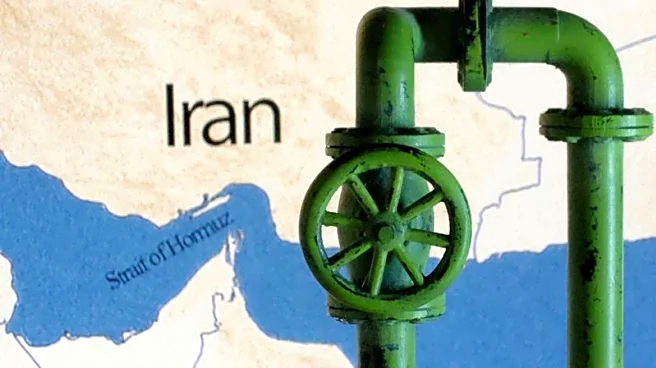
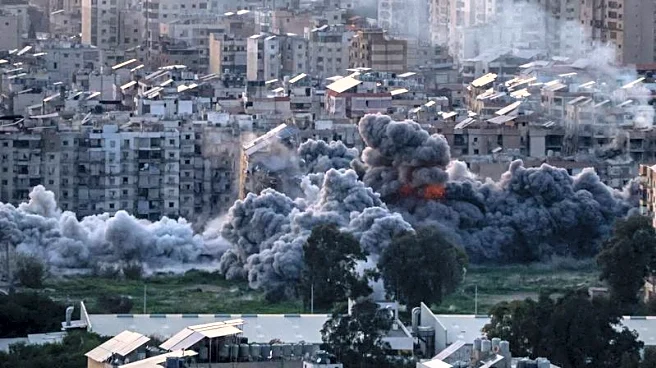
The G7 countries have not yet decided to release emergency oil reserves despite a significant surge in oil prices, which have exceeded $119 a barrel. This increase is attributed to supply disruptions caused by the ongoing conflict involving the U.S. and
Israel against Iran. France's Finance Minister, Roland Lescure, stated that while there are no immediate supply shortages in Europe or the United States, the G7 is prepared to use necessary tools, including the potential release of oil stockpiles, to stabilize the market. The International Energy Agency (IEA), which coordinates strategic oil stockpiles among Western economies, has previously managed large-scale releases, notably in 2022 following Russia's invasion of Ukraine.
Why It's Important?
The decision by the G7 to hold off on releasing oil reserves highlights the delicate balance between managing market stability and maintaining strategic reserves. The current situation underscores the geopolitical risks that can impact global oil prices and supply chains. For the U.S., this could mean increased fuel prices, affecting consumers and industries reliant on oil. The potential release of reserves could mitigate some of these impacts, but it also risks depleting strategic reserves needed for future crises. The situation also reflects the interconnectedness of global energy markets and the influence of geopolitical conflicts on economic stability.
What's Next?
Energy ministers from the G7 countries are expected to discuss the situation further, with a meeting scheduled on the sidelines of a nuclear summit in Paris. This meeting could lead to a decision on whether to release oil reserves. The outcome will likely depend on the ongoing developments in the Iran conflict and its impact on oil supply chains. Stakeholders, including governments and energy companies, will be closely monitoring these discussions, as any decision could have significant implications for global oil markets and energy policies.